Pressure Reducing
Pressure Sustaining / Pressure Relief
Flow Control valves
Float Valves - Level Control
Electrically Actuated Valves
Pressure Modulation - Remote Control
Altitude Valves - Level Control
Burst Control Valves
Pump Control
CLA-VAL "HYTROL" Main Valve
Valve Controllers and Data Loggers
Air Valves
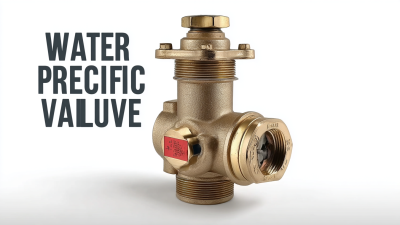
Choosing the right Pressure Reducing Valve is not a simple price comparison. It is a decision about stability, safety, maintenance, and long-term operating cost. A valve that looks suitable on paper may chatter, restrict flow, or fail to protect downstream equipment when demand changes sharply. Field experience matters here. I have seen small installation details, such as an undersized strainer or missing pressure gauge, create expensive troubleshooting work.
The World Health Organization and UNICEF Joint Monitoring Programme reported that 2.2 billion people lacked safely managed drinking water in 2022. Reliable pressure control remains essential for expanding and protecting water infrastructure. Meanwhile, Grand View Research identifies steady growth in the global industrial valve market, driven by water treatment, energy, manufacturing, and process automation. These reports do not make product selection easier. They show why buyers need stronger evidence.
As Spirax Sarco technical guidance emphasizes, “A pressure reducing valve must maintain a constant downstream pressure, regardless of changes in upstream pressure or flow.” This practical principle guides our evaluation. The ten valves selected for global buyers are compared through pressure range, flow capacity, materials, connection standards, adjustment accuracy, spare-parts access, and service support. We also consider performance in real conditions, including dirty water, temperature fluctuations, and irregular demand.
No ranking is perfect. Product data can be incomplete, and regional specifications differ. Buyers should verify certifications, installation requirements, and local engineering approval before ordering. A dependable Pressure Reducing Valve is not merely a component. It is a quiet safeguard behind every stable pipeline, shower, boiler, and production line.
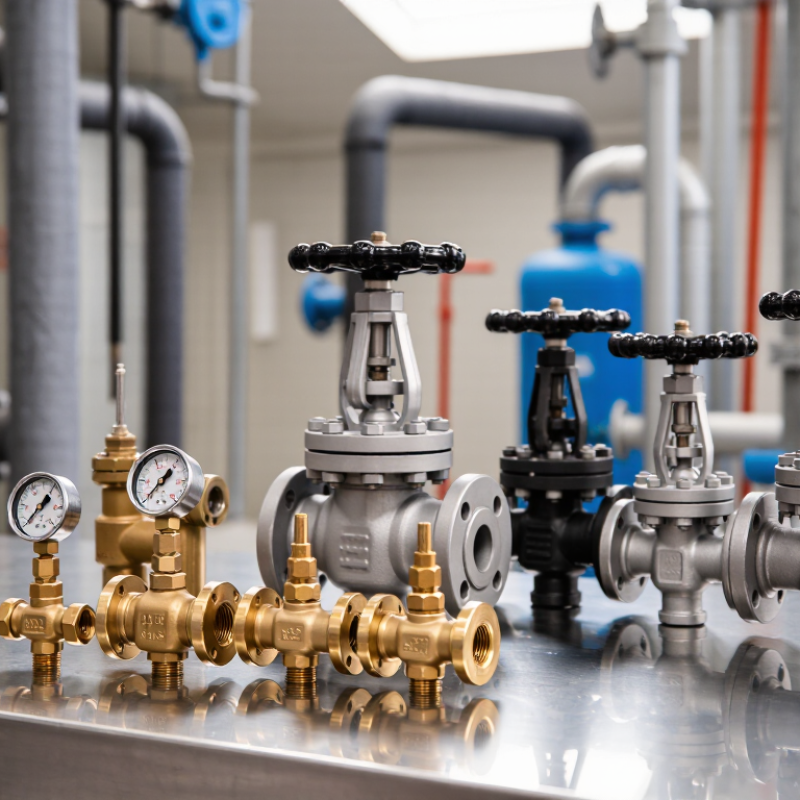
A pressure reducing valve controls excessive inlet pressure and delivers a safer, steadier downstream pressure. It is common in water lines, process systems, heating equipment, and compressed-air networks. The simple explanation is incomplete. It does not create pressure or guarantee constant flow. Its main duty is pressure control.
Inside the valve, a spring pushes a diaphragm or piston toward an open position. Downstream pressure pushes back against that movement. When outlet pressure drops, the valve opens further and allows more fluid through. When outlet pressure rises, it closes partially. This balancing action happens continuously, often without electrical power. It is not magic. Small details matter.
Correct sizing depends on inlet pressure, target outlet pressure, flow range, temperature, and fluid compatibility. A valve that is too small may cause noise, vibration, or unstable pressure. An oversized valve may operate poorly at low demand. Field technicians often check gauges before adjusting the spring, because a blocked strainer can imitate valve failure. Cavitation is another concern when pressure falls sharply across the seat. Buyers should request material certificates, pressure-test records, installation guidance, and applicable compliance documents. These records do not replace inspection, but they make decisions more reliable. In practice, even a well-selected valve can perform badly when installed backward, unsupported, or without adequate upstream filtration.
10 Best Pressure Reducing Valves for Global Buyers
Choosing the best pressure reducing valve starts with the operating conditions, not the price. Confirm inlet pressure, required outlet pressure, flow range, temperature, and fluid type. A valve sized only by pipe diameter may hunt, chatter, or fail to control pressure steadily. Check the flow coefficient, or Cv, against both peak and minimum demand. During commissioning, watch the downstream gauge for sudden swings. They often reveal poor sizing.
Construction also matters. Stainless steel suits corrosive water, while other applications may need ductile iron or specialized alloys. Verify seal compatibility with the process fluid and temperature. Direct-acting valves are compact and simple. Pilot-operated designs usually provide tighter control under changing flow. Ask for pressure-test records, material certificates, calibration details, and clearly stated installation limits. Reliable documentation is part of valve quality.
Tips: Install a strainer upstream and provide accessible gauges on both sides. Keep the valve orientation consistent with the flow arrow. Leave room for maintenance. A bypass can help during servicing, but it must be controlled carefully. Do not assume factory settings fit your system. Pressure behavior may change after installation. Recheck the outlet pressure under low, normal, and peak flow. In practice, “best” is sometimes uncertain until real operating data exposes the weak point.
| Rank | Valve Configuration | Typical Connection | Typical Size Range | Typical Inlet Pressure | Typical Outlet Setting | Common Body Materials | Typical Temperature Range | Primary Application | Key Selection Advantage | Important Sizing Consideration |
|---|---|---|---|---|---|---|---|---|---|---|
| 1 | Direct-Acting Spring-Loaded PRV | Threaded or socket-weld | DN15–DN50 (1/2–2 in) | Up to approximately 16 bar | Approximately 0.5–10 bar | Brass, stainless steel, or ductile iron | Approximately −20 to 120°C | Water, compressed air, and light industrial services | Compact design, simple operation, and relatively low purchase cost | Select the spring range close to the required outlet pressure for better control accuracy |
| 2 | Pilot-Operated PRV | Flanged | DN50–DN300 (2–12 in) | Up to approximately 40 bar | Approximately 1–25 bar | Ductile iron, carbon steel, or stainless steel | Approximately −10 to 150°C | Municipal water networks and large process pipelines | Stable downstream pressure over a broad flow range | Verify minimum flow, pilot-system filtration, and control response requirements |
| 3 | Pressure- and Temperature-Compensated PRV | Threaded or flanged | DN15–DN100 (1/2–4 in) | Up to approximately 25 bar | Approximately 1–16 bar | Bronze, stainless steel, or cast iron | Approximately 5–180°C | Steam, hot water, and heating systems | Maintains more consistent outlet pressure when inlet conditions vary | Check steam capacity, allowable temperature, and condensate-management requirements |
| 4 | Flanged Water-Service PRV | EN, ASME, or JIS flanges | DN50–DN400 (2–16 in) | Up to approximately 25 bar | Approximately 1.5–16 bar | Ductile iron, cast steel, or stainless steel | Approximately 0–80°C | Water transmission, distribution, and building water systems | Easy installation and maintenance in larger pipelines | Match flange standard, pressure class, face-to-face dimension, and flow direction |
| 5 | Sanitary Diaphragm PRV | Tri-clamp, sanitary flange, or hygienic threaded connection | DN15–DN100 (1/2–4 in) | Up to approximately 16 bar | Approximately 0.5–10 bar | 316L stainless steel | Approximately 0–150°C, subject to seal selection | Food, beverage, pharmaceutical, and clean-process systems | Drainable, cleanable, and suitable for hygienic process requirements | Confirm surface finish, elastomer compatibility, clean-in-place temperature, and dead-leg control |
| 6 | Gas-Service Spring-Loaded PRV | Threaded, brazed, or flanged | DN15–DN100 (1/2–4 in) | Up to approximately 40 bar | Approximately 0.02–16 bar | Brass, aluminum, carbon steel, or stainless steel | Approximately −20 to 80°C | Natural gas, nitrogen, oxygen-free inert gas, and compressed air | Suitable for controlled gas pressure reduction with fast response | Use gas-specific sizing data and verify leakage class, seat material, and hazardous-area requirements |
| 7 | High-Pressure Industrial PRV | Flanged or threaded, depending on size | DN15–DN150 (1/2–6 in) | Approximately 40–100 bar | Approximately 5–63 bar | Carbon steel, alloy steel, or stainless steel | Approximately −29 to 200°C | Hydraulic test systems, industrial gas, and high-pressure process lines | Designed for demanding inlet pressures and heavy-duty service | Evaluate pressure class, trim velocity, cavitation, noise, and required safety margin |
| 8 | Low-Pressure Building Water PRV | Threaded, press-fit, or flanged | DN15–DN100 (1/2–4 in) | Up to approximately 25 bar | Approximately 1.5–6 bar | Brass, bronze, or stainless steel | Approximately 0–80°C | Residential, commercial, and hotel plumbing systems | Protects fixtures and appliances from excessive supply pressure | Check static and dynamic pressure, peak demand, strainer access, and expansion-control needs |
| 9 | Corrosion-Resistant Chemical-Service PRV | Flanged, threaded, or welded | DN15–DN150 (1/2–6 in) | Up to approximately 25 bar | Approximately 0.5–16 bar | 316L stainless steel, duplex stainless steel, or lined alloy | Approximately −20 to 180°C | Water treatment, chemical dosing, and corrosive process fluids | Improved resistance to selected corrosive media | Confirm chemical compatibility for the body, trim, diaphragm, seals, and any lining materials |
| 10 | Electronic or Electro-Pneumatic PRV System | Flanged or threaded valve with control instrumentation | DN25–DN300 (1–12 in) | Up to approximately 40 bar | Approximately 0.5–25 bar | Carbon steel, stainless steel, or ductile iron | Approximately −20 to 150°C, subject to electronics | Automated process control, remote stations, and variable-demand networks | Allows remote set-point adjustment, monitoring, and pressure feedback | Confirm power supply, signal protocol, fail position, sensor range, and cybersecurity requirements |
The ten best pressure reducing valves for global buyers are not identical products. They serve different pressures, fluids, temperatures, and installation spaces. Direct-acting valves suit simple systems with moderate flow. Pilot-operated valves provide steadier control in larger pipelines. Diaphragm models respond smoothly, while piston designs tolerate demanding pressure cycles. Stainless-steel valves resist corrosion. Brass valves often fit clean water applications. Threaded connections simplify compact installations. Flanged valves support larger industrial lines. Cartridge valves save space. Sanitary valves suit hygienic processing systems.
A practical selection begins with measured inlet pressure, outlet pressure, flow rate, and fluid temperature. I also check pressure drop, cavitation risk, and maintenance access. A valve may perform well in a test room but struggle beside a vibrating pump. That detail is easy to miss.
Material compatibility matters, especially with treated water, steam, oils, or mildly corrosive fluids. Reliable suppliers should provide flow charts, tested pressure ranges, seal information, installation guidance, and traceable quality records.
Global buyers should compare connection standards, spare-part availability, technical support, and local conformity documents. A low purchase price can become expensive when seals are unavailable. I prefer valves with clear adjustment scales and replaceable internal components. Yet no selection method is perfect. Site data may be incomplete, and real flow can change seasonally. Not every site agrees. Before ordering, request a documented sizing review and verify the actual operating conditions with an experienced technician.
Selecting a pressure reducing valve requires more than comparing pressure ranges. Global buyers should verify compliance with applicable ISO, EN, ASME, or local standards. Requirements differ by country, industry, and fluid type. A valve approved for industrial water may not suit steam, chemicals, or potable water. Confirm test certificates, pressure ratings, temperature limits, and certification documents before ordering.
Material selection strongly affects service life. Brass suits many clean-water systems, while ductile iron handles larger pipelines and moderate pressures. Stainless steel offers better resistance in corrosive environments, but costs more. Check gasket and diaphragm compatibility with the fluid. Installation also matters. Follow the flow arrow, install an upstream strainer, and place pressure gauges before and after the valve. Isolation valves make maintenance safer. A bypass may help continuous operations, though it is not always required.
Tips: Keep the valve accessible. Protect it from freezing. Flush the pipe before installation. Tighten connections carefully. Over-tightening can damage threads. Test downstream pressure under real flow conditions, not only at zero demand. Field experience shows that a correct valve can still perform poorly when debris enters the seat. My own assessment may miss local code details, so involve a qualified engineer and confirm authority requirements before commissioning.
10 Best Pressure Reducing Valves for Global Buyers
Maintenance, safety, and total ownership costs should guide every pressure reducing valve purchase. A low purchase price can hide expensive failures. Poorly adjusted valves may cause pipe noise, seal damage, unstable downstream pressure, or water loss. Field inspections often find blocked strainers and undocumented setpoints. These are simple problems, but they create serious operating risks. The U.S. Department of Energy reports that pumping systems can represent 25–50% of industrial electricity use. Efficient pressure control can therefore reduce energy waste, especially in high-demand facilities.
Safety requires more than a pressure rating. Buyers should verify material compatibility, temperature limits, flow range, failure behavior, and local certification requirements. ISO 55000 promotes lifecycle asset management, which supports evaluating inspection time, spare parts, labor, and downtime together. A valve that lasts longer may still cost more if its diaphragm or pilot assembly is difficult to service. That trade-off deserves honest review.
Tips: Record inlet and outlet pressure monthly. Clean strainers before adjusting the valve. Keep one critical repair kit onsite. Compare five-year ownership costs, not only quotations. Do not assume factory settings suit every installation. Regional water quality, climate, and maintenance skills can change performance. The uncomfortable lesson is that “best” is rarely universal; it depends on operating conditions, documentation, and disciplined follow-up. Sources: U.S. Department of Energy pumping-system guidance; ISO 55000 asset-management principles.
10-Year Total Ownership Cost Benchmark: maintenance, safety, and operating risk
The chart compares common pressure reducing valve application profiles using indicative USD-per-unit costs over a 10-year period. Values combine purchase and installation, scheduled maintenance, and an allowance for safety-related inspection and pressure-control risk. Actual costs vary by valve size, pressure class, medium, local labor rates, regulations, spare-part availability, and operating conditions.
CLA-VAL UK Limited
Dainton House
Goods Station Road
Tunbridge Wells
Kent, TN1 2DR
© 2025 CLA-VAL UK | site map | Terms and Conditions of Sale and Warranty | Privacy policy