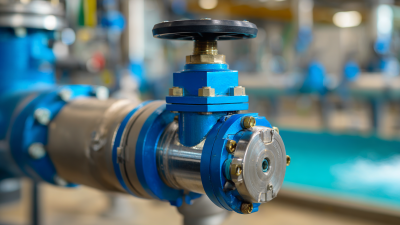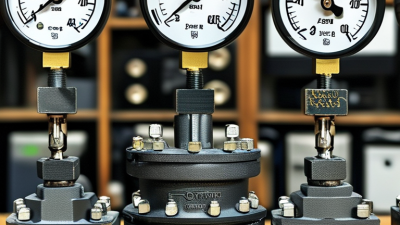
What Are the Top Water Pressure Control Valve Types?

What Are the Top Water Pressure Control Valve Types?

Choosing the right Water Pressure Control Valve can protect pipes, fixtures, pumps, and daily water comfort. The choice depends on pressure conditions, flow demand, installation space, and maintenance expectations. A valve that works well in a small home may perform poorly in a high-demand commercial system.

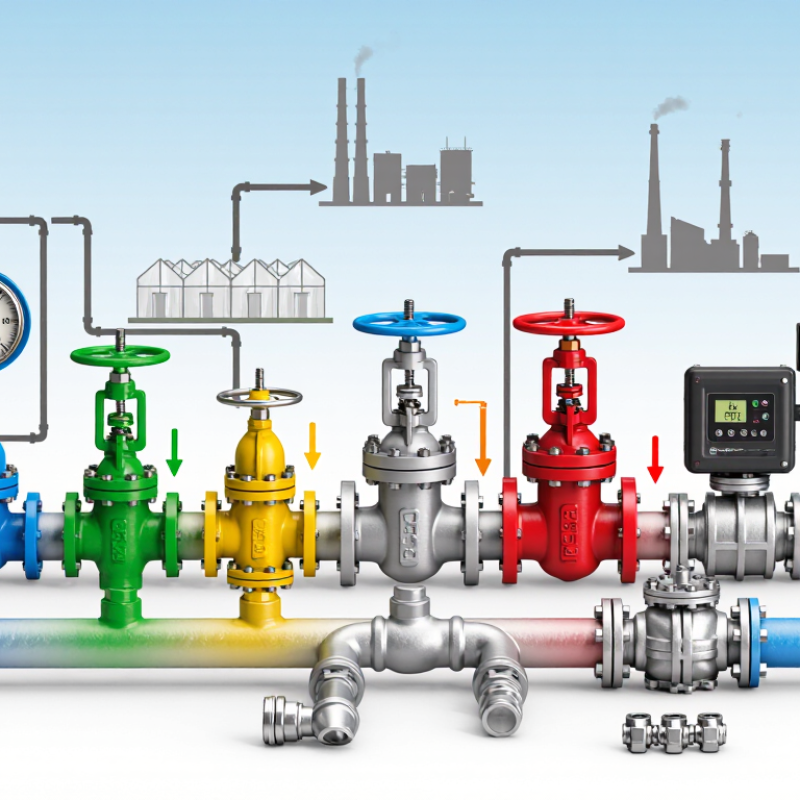
This guide examines the leading valve types used in residential, agricultural, and industrial applications. Pressure reducing valves lower excessive inlet pressure before water reaches sensitive fixtures. Pressure sustaining valves maintain upstream pressure when downstream demand changes. Pressure relief valves release dangerous overpressure, while differential pressure valves help balance pressure across heating, cooling, or pumping systems. Electronic models add sensors and programmable control for systems requiring closer monitoring.

Small details matter. A pressure gauge should be installed where readings remain easy to observe. Strainers can prevent sand and rust from damaging internal components. Flow rate, pipe diameter, temperature, and connection material also influence valve performance. Field technicians often find that incorrect sizing causes noise, vibration, unstable pressure, or repeated pump cycling.

No valve fits every system. That assumption fails.

Reliable selection requires more than comparing product prices. Manufacturer specifications, tested pressure ranges, maintenance access, and local plumbing requirements deserve careful review. Some systems also need a backup relief device, even when the primary valve appears dependable. The sections ahead compare the main types, their operating principles, strengths, limitations, and practical installation considerations. The discussion may not remove every uncertainty, but it can make the final decision more informed and easier to verify.
What Are the Top Water Pressure Control Valve Types?

What Is a Water Pressure Control Valve?

What Is a Water Pressure Control Valve?

A water pressure control valve regulates incoming water pressure before it reaches household or commercial fixtures. A diaphragm, spring, or electronic sensor responds to downstream pressure. The valve then adjusts its opening to maintain a safer, steadier flow. Without control, pressure spikes can stress pipes, heaters, washing machines, and toilet fill valves.

Pressure is not the same as flow. A valve can reduce pressure while demand changes sharply. Direct-acting pressure-reducing valves suit many homes because they are compact and mechanically simple. Pilot-operated valves handle larger, more variable systems. Electronic control valves add sensors and programmable responses, but they need reliable power and correct calibration. More technology is not always better.

The International Plumbing Code commonly requires pressure reduction when static supply pressure exceeds 80 psi. The U.S. Environmental Protection Agency’s WaterSense guidance also reports that household leaks can waste nearly 10,000 gallons of water annually. A properly adjusted valve may reduce stress and unnecessary discharge, but it cannot repair damaged plumbing. The WHO and UNICEF Joint Monitoring Programme reported that 2.2 billion people lacked safely managed drinking water in 2022; pressure control supports reliability, but it does not create water access. That distinction matters.

In field inspections, technicians should measure static and flowing pressure, check arrow direction, and leave an accessible service point. A gauge reading alone can mislead. Sediment, undersized piping, and a failing expansion tank may produce similar symptoms. The imperfect part is diagnosis: replacing the valve first may solve nothing.

How Do Different Pressure Control Valve Types Work?

Water pressure control valves work by sensing pressure and changing the flow opening. The most common type is the direct-acting pressure reducing valve. A spring sets the target pressure, while a diaphragm responds to downstream changes. If pressure rises, the valve closes slightly. If pressure falls, it opens. This design is compact and easy to maintain, but it may react less smoothly during large flow changes.

Pilot-operated reducing valves use a smaller pilot valve to control the main valve. They suit large buildings, irrigation networks, and municipal pipelines.

Pressure-sustaining valves hold upstream pressure above a set point. Relief valves open when pressure becomes unsafe, protecting pipes and pumps.

Differential pressure valves respond to the pressure gap between two points, which helps stabilize heating and circulation systems. Electronic control valves use sensors, actuators, and programmed settings. They can adjust pressure during demand peaks, although sensors need careful calibration.

The U.S. EPA WaterSense program estimates that household leaks waste nearly one trillion gallons of water annually. Poor pressure control can worsen that waste through failed fittings and continuous seepage.

The American Water Works Association’s State of the Water Industry reports also highlight aging infrastructure and workforce shortages. That makes simple, serviceable valve designs valuable.

In field practice, a correctly sized valve can still chatter when the set point is too aggressive. That assumption is often wrong. Engineers should check flow range, pressure loss, response speed, and maintenance access before selecting a valve type.

What Are the Main Types of Water Pressure Control Valves?

Water pressure control valves come in several forms, and each one manages pressure differently. A pressure-reducing valve lowers excessive inlet pressure for household plumbing, irrigation lines, and commercial fixtures. It protects pipes, appliances, and joints from repeated stress. In practice, technicians often install a pressure gauge on both sides. This reveals whether the outlet pressure remains stable during changing demand.

A pressure-sustaining valve keeps upstream pressure above a selected level. It is useful when a main pipeline must protect storage tanks or higher-priority users. A pressure-relief valve opens when pressure exceeds its safe setting. It releases water quickly, but it should never replace proper system sizing. A differential pressure control valve maintains a measured pressure difference across equipment, such as filters, heat exchangers, or pump circuits. This supports more consistent flow.

Small details matter. The valve size should match the real flow range, not only the pipe diameter. A large valve may control poorly at low demand. A narrow valve can create unwanted noise and pressure loss. Sediment can also affect the diaphragm, spring, or sensing port. Clean strainers and periodic gauge checks improve reliability. Still, pressure readings can mislead when gauges are poorly calibrated. That is an easy detail to overlook. Technicians should check operating pressure, temperature, water quality, and failure consequences before selecting a valve type.

How Should You Choose the Right Valve for Your System?

Choosing a water pressure control valve starts with the system’s actual behavior, not a catalog description. Measure inlet pressure during quiet periods and peak demand. A gauge near the pump may show a comfortable reading, while fixtures at the far end receive much less. Record flow rate, pipe size, water temperature, and pressure fluctuations before selecting a valve.

A pressure-reducing valve suits systems where incoming pressure exceeds the safe operating range. A pressure-sustaining valve helps protect upstream pressure when downstream demand rises. Relief valves provide an escape path during dangerous overpressure, while automatic control valves can manage changing flow conditions. The right type depends on the problem you must control. Do not choose by size alone. A valve that matches the pipe diameter may still respond poorly at low flow.

Consider the required outlet pressure, adjustment range, connection method, maintenance access, and water quality. For a residential line, stable pressure and simple servicing may matter most. In an industrial loop, response speed, corrosion resistance, and fail-safe behavior deserve closer attention. I have seen systems work well on paper but surge after installation because the valve was oversized. That mistake is easy to miss. Test the selected valve under realistic demand, inspect the pressure after several operating cycles, and confirm installation requirements against applicable standards. A second measurement often changes the decision.

What Are the Top Water Pressure Control Valve Types? How Should You Choose the Right Valve for Your System?

Typical characteristics are general engineering guidance. Actual pressure, temperature, flow, and material limits must be verified against the valve specification and applicable local standards.
Valve Type Primary Function How It Controls Pressure Typical Installation Location Common Water-System Applications Main Advantages Key Limitations Selection Priorities
Pressure-Reducing Valve (PRV) Reduces a higher upstream pressure to a controlled lower downstream pressure. Uses a spring-and-diaphragm or pilot-controlled mechanism to throttle the flow when downstream pressure rises toward the set point. At the inlet of a building, zone, branch line, irrigation system, or equipment connection. Domestic water distribution, commercial plumbing, irrigation, process-water branches, and high-pressure municipal supplies. Protects piping and fixtures, stabilizes outlet pressure, and can reduce water consumption and operating noise. Requires correct sizing and periodic maintenance; may not regulate accurately at very low flow unless designed for that service. Select from the required inlet pressure, outlet set pressure, design flow range, pressure-drop allowance, and connection size.
Pilot-Operated Pressure-Reducing Valve Provides precise pressure reduction across a broad flow range. A small pilot valve senses downstream pressure and controls the main diaphragm or piston valve. Water mains, large building services, treatment plants, and distribution zones. Large-diameter systems with substantial or fluctuating flow demand. High control accuracy, strong flow capacity, and good performance under changing demand. More complex than direct-acting designs and typically needs clean water, strainers, commissioning, and skilled maintenance. Check minimum and maximum flow, pilot response, upstream pressure variation, filtration requirements, and maintenance access.
Pressure-Sustaining Valve Maintains a minimum upstream pressure while allowing excess flow to pass downstream. Opens only when upstream pressure is above the preset value and throttles to prevent upstream pressure from falling below it. Downstream of a pump, reservoir outlet, or branch serving a lower-pressure zone. Pump discharge protection, elevated tanks, water distribution zones, and priority-service branches. Protects upstream users and pumps from excessive pressure loss and helps preserve a required supply pressure. It does not primarily protect downstream equipment from excessive pressure; a separate reducing or relief function may be needed. Define the minimum upstream pressure, downstream backpressure, flow range, and required valve response.
Pressure-Relief Valve Limits excessive pressure by releasing water when pressure exceeds a set value. A spring, pilot, or diaphragm mechanism opens at the set pressure and discharges or diverts water until pressure returns to a safe level. Near pumps, pressure vessels, heaters, closed systems, and protected equipment. Thermal expansion protection, pump systems, hydronic circuits, pressure vessels, and emergency overpressure control. Provides direct overpressure protection and can respond automatically without electrical power. Discharge piping, drainage, noise, water loss, and safe outlet routing must be considered; it is not a substitute for normal pressure regulation. Set pressure must be compatible with the system’s maximum allowable working pressure, and discharge capacity must cover the credible overpressure source.
Pressure-Reducing and Sustaining Valve Reduces downstream pressure while maintaining a minimum upstream pressure. Combines two pressure-control functions in one pilot-operated assembly: downstream sensing for reduction and upstream sensing for pressure sustaining. At zone boundaries, branch connections, and locations separating high- and low-pressure areas. Water distribution networks where upstream service must be protected while a downstream zone receives controlled pressure. Combines two control objectives and can reduce the number of valves and fittings required. More sensitive to incorrect pilot settings, installation orientation, debris, and unsuitable flow conditions. Set both upstream sustaining pressure and downstream reducing pressure; verify that the two settings are hydraulically compatible.
Differential-Pressure Control Valve Maintains a target pressure difference between two points in a system. Senses pressure at two locations and modulates the valve to maintain the specified differential pressure. Across pumps, control zones, heat exchangers, coils, or variable-flow distribution branches. Hydronic heating and cooling systems, pump bypass arrangements, and variable-flow water circuits. Improves flow stability, supports balancing, and helps keep pump or terminal-equipment conditions within the design range. Incorrect sensing-line placement can cause unstable control; it does not directly maintain a fixed downstream pressure. Determine the required differential-pressure set point, sensing locations, design flow, system resistance, and pump operating range.
Backpressure Regulator Maintains a minimum pressure upstream of the valve. Remains closed or partly closed until upstream pressure reaches the set point, then modulates to maintain the desired inlet pressure. At the outlet of a pump, metering skid, filtration unit, or process-water line. Water treatment processes, dosing systems, filtration, pumping systems, and lines requiring stable inlet pressure. Helps stabilize process conditions and prevents excessive pressure loss upstream of sensitive equipment. Requires adequate downstream discharge conditions and is not intended to replace a dedicated safety relief valve. Evaluate the required upstream set pressure, downstream pressure, flow capacity, cavitation risk, and fluid cleanliness.
Vacuum-Breaker / Air-Release Valve Prevents damaging vacuum conditions and releases or admits air during filling, draining, or transient events. Uses floats or pressure-sensitive components to discharge trapped air and admit air when internal pressure falls below atmospheric pressure. High points, long pipelines, pump discharge lines, and locations vulnerable to column separation or vacuum formation. Water transmission mains, irrigation pipelines, sewage-free water systems, and pumped distribution networks. Reduces the risk of pipe collapse, flow restrictions, water hammer associated with air pockets, and operational problems during draining. It does not regulate normal water pressure like a PRV and must be installed where air-management requirements are understood. Assess pipeline profile, filling and draining rates, transient conditions, air-release capacity, and protection from flooding or contamination.
Electronic Pressure-Control Valve Regulates pressure using sensors, an actuator, and a controller. A pressure sensor sends feedback to a powered actuator, which continuously adjusts valve position according to the programmed set point. Modern pumping stations, remote distribution systems, and facilities requiring monitoring or automated control. Systems with variable demand, remote supervision, pressure scheduling, data logging, or integration with building-management controls. Flexible set points, remote adjustment, alarms, diagnostics, and integration with automation systems. Depends on power, instrumentation, configuration, and cybersecurity or control-system maintenance; a fail-safe strategy is necessary. Specify power supply, fail position, sensor accuracy, response time, communication protocol, environmental rating, and manual override capability.

How Are Water Pressure Control Valves Installed and Maintained?

Water pressure control valves protect pipes, fixtures, and storage systems from unstable supply pressure.

Common types include direct-acting pressure-reducing valves, pilot-operated valves, and pressure-sustaining valves. Direct-acting models suit smaller buildings. Pilot-operated designs handle larger, fluctuating flows with finer control. Pressure-sustaining valves maintain upstream pressure during peak demand.

Installation begins with a clean, accessible pipe section.

Confirm the valve’s flow arrow before tightening connections. Install an upstream isolation valve, downstream gauge, and suitable strainer where debris is likely.

The U.S. Environmental Protection Agency reports that household leaks waste nearly 1 trillion gallons of water annually.

Correct pressure control can reduce stress on joints, but it cannot repair damaged plumbing. Set the outlet pressure gradually, using a calibrated gauge under normal flow. A pressure reading without flow may mislead technicians.

Maintenance needs a practical schedule.

Inspect gauges, fittings, and discharge points monthly. Test pressure under both low-flow and peak-flow conditions. Clean strainers when pressure drops unexpectedly. Replace worn diaphragms, seals, or springs according to measured performance, not appearance alone.

The American Society of Civil Engineers’ 2021 Infrastructure Report Card rated U.S. drinking-water infrastructure C−, showing why small maintenance failures deserve attention.

Field conditions are rarely perfect. I would record every adjustment, because undocumented settings make future troubleshooting slower.

Industry guidance also recommends checking backflow protection and local installation requirements before commissioning.