Top Water Pressure Reducing Valve Manufacturers?

Top Water Pressure Reducing Valve Manufacturers?

Choosing among the top Water Pressure Reducing Valve manufacturers requires more than comparing catalog prices. A reliable valve must control incoming pressure, reduce noise, protect fixtures, and maintain stable flow during sudden demand changes. In a real mechanical room, these details matter. A pressure gauge may show 80 psi in the morning, then reveal a damaging spike after nearby equipment shuts down.

Ron George, a respected plumbing educator and former contractor, describes the practical priority clearly: “Control the pressure, and you protect the system.” That principle guides this review. The strongest manufacturers usually provide tested materials, accurate adjustment ranges, clear installation instructions, replacement parts, and responsive technical support. They also explain performance limits instead of hiding behind impressive marketing language.

The comparison will examine valve durability, pressure accuracy, serviceability, certifications, warranty terms, and suitability for residential, commercial, and industrial applications. Some brands excel in compact residential assemblies. Others perform better in large buildings with demanding flow rates. No manufacturer is perfect.

That deserves attention.

Even a premium Water Pressure Reducing Valve can fail when installed backward, adjusted without a downstream gauge, or exposed to debris. Field experience often reveals weaknesses that brochures omit. Therefore, this guide considers both manufacturer specifications and practical installation realities. It also questions whether low purchase prices truly represent value when maintenance becomes difficult. The final recommendations aim to help engineers, contractors, facility managers, and homeowners choose a dependable solution with fewer surprises.
Top Water Pressure Reducing Valve Manufacturers?

What Is a Water Pressure Reducing Valve?

A water pressure reducing valve is a plumbing device that lowers excessive incoming water pressure. It delivers a safer, steadier pressure to a building’s pipes and fixtures. Without control, high pressure can stress joints, damage washing machines, and create noisy taps.

The valve usually contains a spring, diaphragm, and adjustable screw. When outlet pressure rises, the diaphragm moves and restricts water flow. Turning the screw changes the pressure setting.

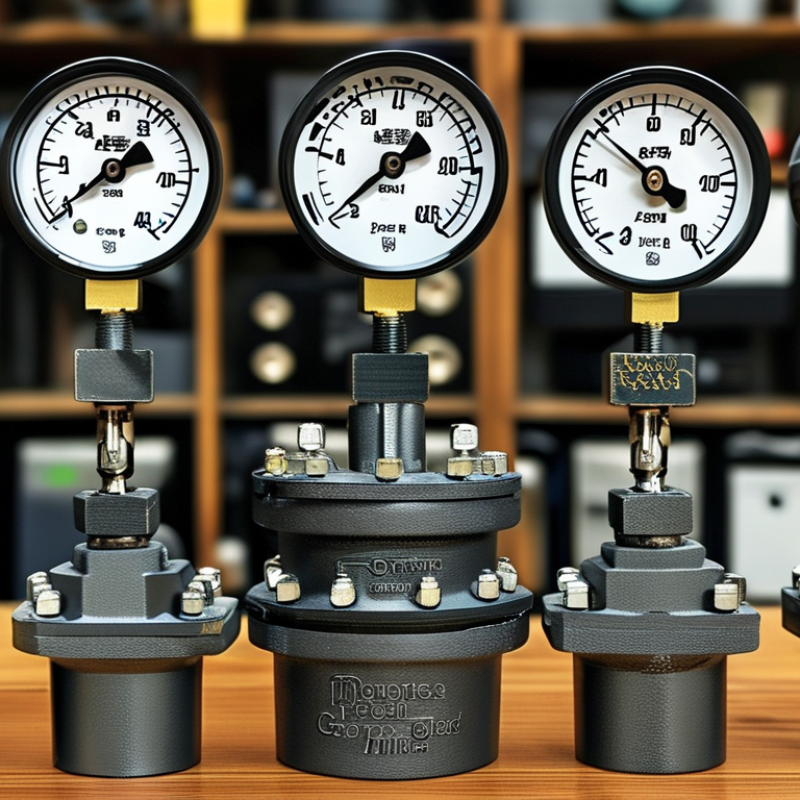
A gauge near the valve helps confirm the actual reading, because guessing is unreliable. In field inspections, I look for a shutoff valve, an accessible installation position, and an arrow showing the flow direction. Small details matter.

Selecting a valve requires checking pipe size, flow demand, temperature, and pressure range. An oversized valve may respond poorly at low flow. An undersized valve can cause pressure loss during busy periods. The body material should suit the water system, while internal parts need suitable corrosion resistance.

Regular maintenance includes cleaning the strainer, checking the gauge, and testing the outlet pressure under changing demand. I have seen valves adjusted correctly during installation but ignored afterward. That is a weakness worth acknowledging. Water conditions change, and even dependable equipment needs inspection. Reliable manufacturers should provide clear technical data, test information, replacement parts, and installation guidance.

How Water Pressure Reducing Valves Work

Water pressure reducing valves lower excessive inlet pressure before water reaches household or industrial fixtures. Inside, a spring pushes a diaphragm against a valve disc. The diaphragm responds to downstream pressure. When outlet pressure falls, the spring opens the disc wider. When pressure rises, the diaphragm pushes back and restricts flow. This balance keeps pressure steadier, even when supply conditions change. Not perfectly.

Direct-acting valves use the diaphragm and spring as one responsive mechanism. They are compact and practical for smaller systems. Pilot-operated valves use a smaller control valve to manage the main valve. This design handles higher flow rates with improved pressure stability. Both types need correct sizing. An oversized valve may hunt, causing noticeable pressure swings. An undersized valve can create noise and excessive velocity.

Field technicians often install a strainer upstream to catch grit and pipe scale. A pressure gauge on each side makes diagnosis far easier. I have seen clean valves fail to regulate because the sensing passage was blocked. That detail is easy to miss. Outlet pressure should be checked under both flowing and static conditions. A reliable manufacturer should provide adjustment ranges, flow data, material specifications, and maintenance instructions. Installation direction also matters. Follow the arrow on the valve body, then test every nearby outlet.

Top Water Pressure Reducing Valve Manufacturers? - How Water Pressure Reducing Valves Work

Valve Type How It Works Typical Applications Main Advantages Important Limitations Common Selection Criteria
Direct-Acting Pressure Reducing Valve A spring-loaded diaphragm or piston senses downstream pressure and throttles the valve seat directly. When outlet pressure rises, the valve closes; when it falls, the valve opens. Residential water lines, small commercial buildings, irrigation branches, and low-to-medium flow systems. Compact construction, simple adjustment, quick installation, and relatively low maintenance requirements. Outlet pressure can vary more noticeably with changing flow. It is generally less suitable for very large flows or highly precise control. Flow rate, inlet pressure, desired outlet pressure, connection size, temperature, and fluid compatibility.
Pilot-Operated Pressure Reducing Valve A small pilot valve controls pressure in the main valve chamber. The pilot uses downstream pressure to modulate the main diaphragm or piston, allowing the valve to handle larger flows. Municipal water networks, high-rise buildings, industrial process water, and large commercial piping systems. Better pressure stability, high flow capacity, and improved control during changing demand conditions. More components, greater installation complexity, and increased sensitivity to blocked pilot lines or poor water quality. Maximum flow, minimum flow, pressure differential, cavitation risk, pilot configuration, and access for servicing.
Electronic Pressure Reducing Valve A pressure sensor measures downstream pressure while an electronic controller drives an actuator to position the valve and maintain a programmed set point. Smart water systems, remote pressure zones, variable-demand networks, and installations requiring monitoring or automation. Accurate control, adjustable operating schedules, alarm functions, and potential integration with supervisory control systems. Requires electrical power, configuration, sensor protection, and additional controls. Performance depends on correct commissioning. Control accuracy, power availability, communications protocol, fail-safe position, sensor range, and enclosure protection.
Diaphragm-Type Valve A flexible diaphragm moves in response to the balance between spring force, inlet pressure, and downstream sensing pressure, regulating the opening between the seat and plug. Potable water, irrigation, building services, and general-purpose pressure control. Good sealing capability, smooth modulation, and suitability for clean water applications. The diaphragm is a wear component and may be affected by unsuitable chemicals, excessive temperature, or debris. Diaphragm material, water quality, temperature rating, pressure class, seat material, and spare-part availability.
Piston-Type Valve A piston moves within a cylindrical chamber to vary the flow passage. Downstream pressure acts on the piston to maintain the selected outlet pressure. Compact plumbing systems, higher-pressure water services, and applications requiring robust mechanical construction. Durable body design, compact dimensions, and good resistance to mechanical loading when correctly specified. Sliding surfaces may be affected by scale or suspended particles, and servicing may require careful cleaning and inspection. Piston and seal materials, filtration requirements, pressure range, flow coefficient, and maintenance access.
General operating principle: A water pressure reducing valve automatically lowers a higher upstream pressure to a controlled downstream pressure by partially closing its internal flow passage. The regulated outlet pressure is determined by the spring setting, pilot control, piston or diaphragm response, and actual system flow. Correct sizing should consider minimum and maximum flow, inlet and outlet pressure, pressure differential, water temperature, pipe connection, and applicable local standards.

Key Factors for Evaluating Valve Manufacturers

Evaluating a water pressure reducing valve manufacturer requires more than comparing catalog prices. Start with operating evidence. Ask for flow curves, pressure accuracy, response time, and test records for the exact valve size. A reliable factory should explain how its valves behave during peak demand, sudden closure, and low-flow conditions. Request material certificates and batch traceability. Small details matter.

The World Bank estimates that non-revenue water reaches about 126 billion cubic meters annually, costing utilities nearly $39 billion. Poor pressure control contributes to leakage, pipe failures, and unstable service. Therefore, manufacturers should provide field data, not only laboratory claims. Check whether testing follows recognized requirements, such as applicable AWWA guidance, ISO standards, or local potable-water rules. Certification helps, but it is not proof of every product’s performance.

Manufacturing discipline is another practical test. The ISO Survey 2023 recorded more than 1.2 million ISO 9001 certificates worldwide, yet certification alone cannot replace technical questioning. Review calibration schedules, inspection points, corrective-action records, and staff competence. Ask how quickly replacement diaphragms and seals can be supplied. Speak with maintenance teams, if possible. Their experience often reveals recurring noise, drift, or difficult repairs. A manufacturer may offer impressive pressure accuracy, but independent verification is still wise. That extra step can feel slow. It may prevent an expensive mistake.

Leading Water Pressure Reducing Valve Manufacturers

Leading water pressure reducing valve manufacturers earn trust through repeatable engineering, not polished catalog language. They study inlet fluctuations, flow demand, pipe material, and water temperature before selecting a valve design. A serious manufacturer documents test methods, pressure ranges, spring settings, and material grades. Details matter. In field projects, I look for stable downstream pressure during low and peak demand. A valve that performs only in a workshop is not enough.

Experienced producers use calibrated benches to test shutoff, response time, leakage, and fatigue. They also inspect machining, diaphragm quality, coating thickness, and thread accuracy. Independent certifications can strengthen confidence, but certificates should match the exact model. Traceable serial numbers and accessible technical records support safer maintenance. Good support matters. Engineers should receive sizing charts, installation limits, spare-part guidance, and clear troubleshooting steps.

The strongest manufacturers listen to installers because real pipe networks reveal problems drawings often miss. They may improve a pilot assembly, revise a spring range, or clarify flushing requirements after site feedback. This practical cycle shows experience and professional accountability. Still, no supplier is perfect. Some datasheets simplify noise, water hammer, or contamination risks. Buyers should question assumptions and request evidence for critical applications. A reliable manufacturer remains transparent when performance depends on correct sizing, filtration, and regular inspection.

Top Water Pressure Reducing Valve Manufacturers? - Leading Water Pressure Reducing Valve Manufacturers

Typical nominal outlet pressure settings used for water pressure reducing valve applications. These reference values are application-based and do not represent company or brand performance.

Residential and irrigation systems commonly operate at lower outlet pressures, while commercial and industrial water systems often require higher settings. Actual valve selection should consider inlet pressure, flow rate, building height, water quality, and applicable plumbing standards.

How to Choose the Right Manufacturer for Your Needs

Choosing the right water pressure reducing valve manufacturer requires more than comparing prices. A reliable manufacturer should show practical experience with residential, commercial, or industrial systems. Review pressure ranges, flow capacity, body materials, and adjustment accuracy. Ask for test reports, quality records, and clear product specifications. A polished brochure is not enough.

Look for manufacturers with traceable production, responsive technical support, and realistic warranty terms. Their engineers should explain how the valve performs during fluctuating inlet pressure and long operating periods. Request installation guidance and maintenance recommendations before placing an order. Check whether replacement parts are available. A low purchase price can become expensive when seals, springs, or gauges are difficult to source. I would also inspect customer references, although references can sometimes be selective.

Tips: Compare at least three manufacturers. Ask for a sample valve or inspection record. Confirm material compatibility with your water conditions. Discuss delivery times in writing. Test the supplier’s response with one technical question; vague answers reveal weaknesses quickly. Do not choose based on certification labels alone. Verify the issuing body and the product scope. A perfect choice rarely exists, so record your priorities before deciding. Reliability, service, and documented performance often matter more than attractive packaging.