2026 Best Pressure Reducing Valve Options for Global Buyers?
In the ever-evolving world of industrial applications, the importance of a reliable pressure reducing valve cannot be overstated. Experts like John Smith, a renowned authority in fluid control systems, affirm, “A quality pressure reducing valve is crucial for maintaining system efficiency.” As businesses expand globally, buyers seek the best options available in the market.
This guide explores the top pressure reducing valves for 2026, reflecting the latest advancements in technology and design. It delves into factors like material durability, flow capacity, and ease of maintenance. However, finding the right valve isn't always straightforward. Some buyers may overlook critical specifications or fall victim to misleading marketing tactics.
Awareness is key in this industry. The pressure reducing valve plays a vital role in fluid management, affecting safety and performance. Investing time in research can lead to significant returns. Each decision counts, especially when dealing with such a crucial component of any system. Remember, a smart choice can prevent costly mishaps down the line.
Overview of Pressure Reducing Valves and Their Importance
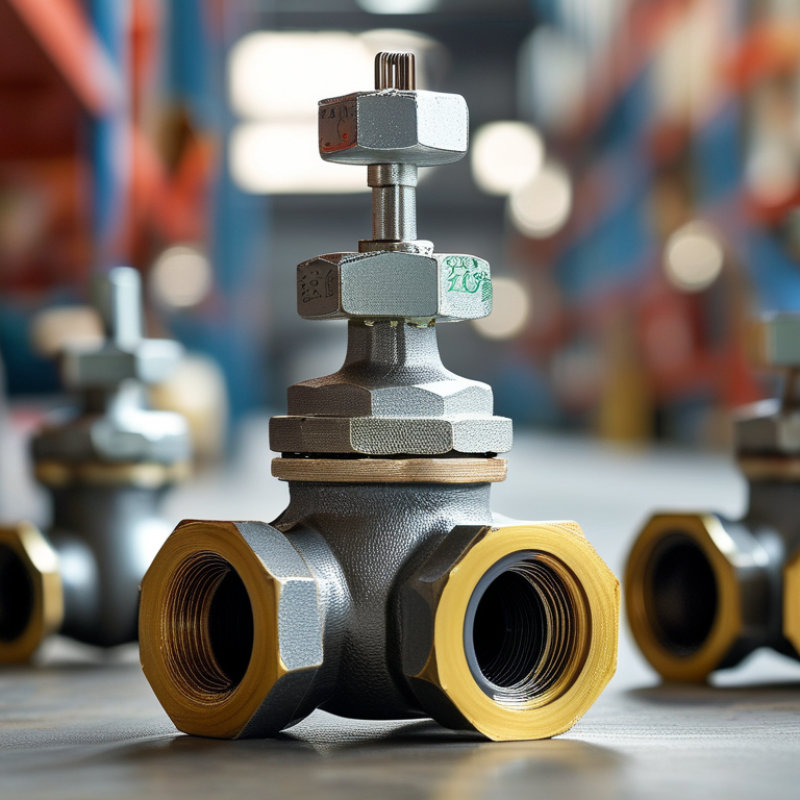
Pressure reducing valves play a critical role in various industries. These devices ensure that fluid pressures within systems remain at safe and efficient levels. They are vital in preventing equipment damage and ensuring operational efficiency. According to a report from the Global Pressure Control Market, the demand for these valves is projected to grow by 5.2% annually until 2026.
In industrial settings, maintaining optimal pressure can enhance safety. For instance, exceeding pressure thresholds can lead to catastrophic failures. The significance of pressure reducing valves cannot be overstated. They protect systems like boilers and pipelines from excessive pressure fluctuations. These valves also help conserve energy, reducing overall operational costs.
Despite the apparent benefits, choosing the right valve can be complex. Factors such as material compatibility and flow rate requirements must be considered. Some industries still struggle with outdated equipment that fails to meet current safety standards. This creates a need for continuous evaluation and improvement in valve technology and selection. Ensuring the right fit requires expertise, yet many organizations fall short in this area. Investment in high-quality pressure reducing valves is essential for long-term success and safety.
Key Features to Consider When Choosing Pressure Reducing Valves
When selecting a pressure reducing valve, several key features should guide your decision. First, consider the valve type. Different designs cater to diverse applications. A balanced design can manage high pressure effectively. Meanwhile, a single-seated valve may serve simpler setups.
Another essential aspect is the flow range. Ensure that the valve can handle both minimum and maximum flow rates for your system. This range directly affects performance and energy consumption. Pressure ratings also matter; they determine the valve's ability to withstand maximum input pressure.
Tips for choosing wisely include reviewing materials. Brass or stainless steel might offer durability in different environments. Also, consider the ease of installation. Compact designs may save space, simplifying the integration into existing systems. Finally, check for regulatory compliance to ensure safety and reliability. Choices are abundant, yet each decision can impact system performance. Reflect on past experiences with similar valves to guide your selection process effectively.
Top Brands and Manufacturers for Pressure Reducing Valves in 2026
In 2026, the market for pressure reducing valves shows rapid growth. Industry reports indicate an increase in demand between 5-7% annually. This trend is driven by various sectors, including water supply and industrial applications. Companies are investing in R&D to enhance valve efficiency and reliability.
Key manufacturers focus on innovative designs. They aim to improve energy efficiency and reduce operational costs. Recent studies highlight the importance of integration with smart technologies. This allows real-time monitoring and maintenance, improving overall performance. Price trends remain volatile, often influenced by material costs and market competition.
Challenges exist within the industry. Many manufacturers struggle with supply chain disruptions. These issues can delay production and increase lead times. Some companies may not keep pace with technological advancements, risking obsolescence. Buyers should consider these factors when assessing options.
Comparative Analysis of Pressure Reducing Valve Types and Applications
When selecting pressure reducing valves, understanding their types and applications is crucial. There are various designs, each with specific functions. For instance, diaphragm valves are popular in water systems due to their reliability. They ensure stable pressure control, offering durability across various conditions.
Another type is the piston valve, favored in industrial settings. These valves respond quickly to pressure changes, making them suitable for systems with rapid fluctuations. However, they can be more complex to maintain. This added complexity might deter some users. Still, their efficiency in high-pressure applications cannot be overlooked.
Choosing the right valve also requires consideration of the materials used. Brass and stainless steel are common choices, but they serve different environments. Stainless steel offers corrosion resistance, which is vital in chemical applications. On the other hand, brass is often chosen for easier machining. Understanding these details helps buyers make informed choices tailored to their unique needs.
Market Trends and Innovations in Pressure Reducing Valve Technology for 2026
The pressure reducing valve (PRV) market is evolving rapidly as we approach 2026. Innovations in materials and designs are making valves more efficient and reliable. Advanced materials, such as composites and stainless steel, are gaining traction. These materials enhance durability and resist corrosion, making them ideal for various applications. Manufacturers are also focusing on compact designs that save space without compromising performance.
Smart technology integration is another trend shaping the market. Many PRVs now feature IoT capabilities. This allows for real-time monitoring and control, improving system efficiency. Users can track performance metrics remotely, leading to timely maintenance and reduced downtime. However, this shift requires careful consideration of cybersecurity risks.
Environmental concerns are influencing valve design too. Engineers are prioritizing energy efficiency and reducing water waste. This is crucial as industries strive for sustainability. While these developments are promising, they also reveal the industry’s challenges. Not all products adapt easily to new technologies. Striking the right balance between innovation and reliability remains a work in progress.
2026 Pressure Reducing Valve Market Trends