Top 10 Durable Floor Drains You Need for Your Projects?
When selecting a floor drain, durability is key. "A durable floor drain must withstand both time and heavy use," says John Wilson, a leading expert in drainage systems. His insights guide many in the construction industry. Choosing the right one is not just about cost. It involves understanding material quality, design integrity, and longevity.
In various projects, a durable floor drain can prevent costly repairs. A well-constructed drain reduces maintenance needs. For instance, with proper installation, you can expect years of reliable service. However, not all products in the market deliver on their promises. Some might fail under pressure, leading to frustrating leaks.
This landscape of options can be overwhelming. Not every durable floor drain is the same. Choosing wisely becomes essential. Consider factors like installation environment and expected load. Your choice reflects your project's quality. Ensuring long-term success requires thoughtful decisions now.
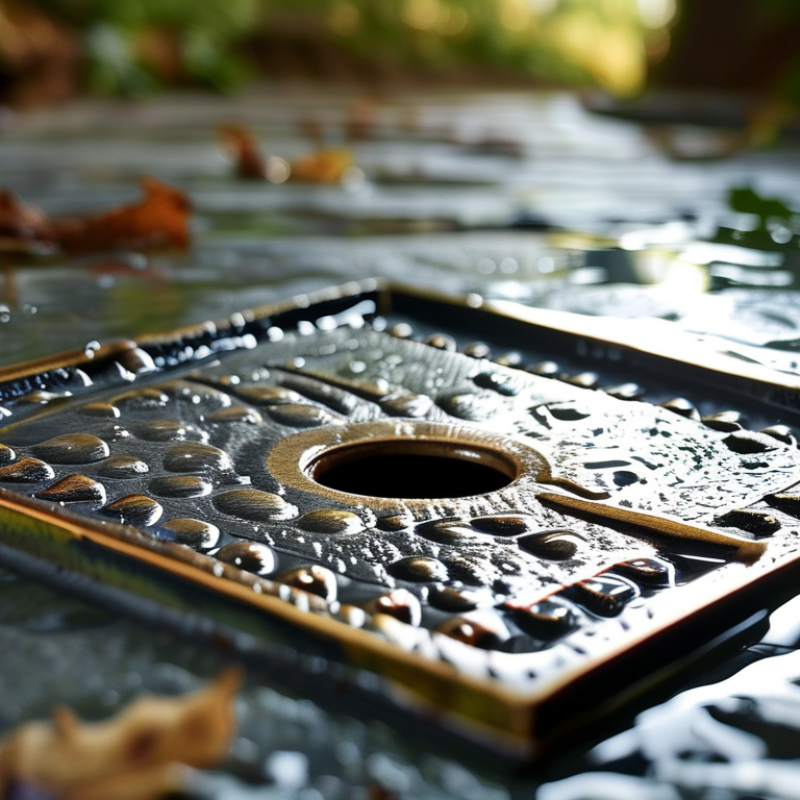
Top 10 Essential Features of Durable Floor Drains for Construction Projects
When selecting floor drains for construction projects, durability is key. The best floor drains withstand heavy loads and diverse environmental conditions. Materials like stainless steel and cast iron commonly feature in top-rated models. A professional report indicates that systems made from these materials outlast alternatives by an average of 20%. This highlights the need for contractors to prioritize material choice in their projects.
Another crucial aspect involves drainage capacity. Floor drains must handle high volumes of water effectively to prevent flooding and pooling. Engineers recommend a drain with a flow rate tailored to project needs. Performance data shows that drains with larger grates improve water evacuation by up to 30%. However, some designs fail to account for clogging issues, which can lead to costly repairs.
Ease of installation also plays an important role. Complex designs may result in increased labor costs and delays. A straightforward installation process can reduce project timelines significantly. Contractors should consider models that provide clear installation guidelines. Yet, oversights such as neglecting proper slope can undermine even the best product choices. Understanding these essential features is vital for success in construction projects.
Material Composition of Reliable Floor Drains: A Comparison of Options
When selecting floor drains for projects, the material composition is crucial. Common materials include stainless steel, plastic, and cast iron. Stainless steel is known for its durability and resistance to rust. It handles harsh conditions well. However, it can be pricier than other options. Plastic drains are lightweight and resistant to chemicals. They are suitable for residential use. But, they may not withstand heavy loads.
Cast iron offers strength and longevity. It handles heavy traffic areas, making it ideal for industrial projects. Still, cast iron can be quite heavy and may require more effort to install. It's vital to weigh the pros and cons of each material. Consider the project needs carefully. Consult with experts to make informed decisions.
The right choice depends on the application environment. Will the drain be in a commercial kitchen or a residential bathroom? Each setting demands specific qualities. Durability is non-negotiable, but aesthetics and functionality matter too. A balance between performance and cost is essential. Be open to revisiting your choices based on real-world feedback. After all, even the best materials may have unexpected limitations over time.
Industry Standards and Certifications for Floor Drain Durability and Performance
When selecting floor drains, understanding industry standards and certifications is vital. These guidelines ensure that drains meet specific durability and performance criteria. Look for products that comply with ASTM and ISO standards. These affiliations signify that the drains have undergone rigorous testing. This information can aid in making informed decisions for projects.
Durability is a key factor. High-quality materials are essential for resisting corrosion and wear. Certified floor drains often undergo tests for load-bearing capacity and leakage prevention. However, not all drains meet these benchmarks. It's crucial to research and compare products based on certification marks. Some drains may look appealing but lack the necessary durability.
Consider installation and maintenance challenges as well. Certified products may sometimes have complex installation processes. Proper installation is essential for longevity. A poorly installed drain can lead to significant issues down the line. Regular maintenance can keep drains functioning effectively.
Keeping track of wear and tear is equally important. Making informed choices can save time and resources.
Maintenance and Lifespan: Maximizing the Efficiency of Floor Drains
When selecting durable floor drains, understanding maintenance and lifespan is crucial. A recent study indicates that effective maintenance can extend a drain's lifespan by up to 50%. Regular cleaning prevents clogs, which can lead to corrosion and costly repairs. Many facilities overlook this, resulting in premature failures.
Materials play a significant role in durability. Stainless steel drains are often recommended for heavy-duty use. They resist rust and are easy to clean. Reports show that concrete floor drains can last over 20 years with proper upkeep, while plastic options may need replacing every 5 to 10 years. The choice largely depends on the environment and potential exposure to harsh chemicals.
Monitoring water flow is essential. Inadequate drainage can cause pooling, which strains the system. Some users have found that installing inline filters reduces maintenance needs, yet they can complicate the workflow. A balance between efficiency and simplicity is key. Understanding these factors helps in making informed choices for long-term reliability.
Cost-Benefit Analysis of Investing in High-Quality Floor Drains for Projects
Investing in high-quality floor drains offers significant cost benefits for various projects. According to industry reports, a properly installed drain can reduce long-term maintenance costs by up to 30%. In settings like commercial kitchens, durable drains can withstand heavy usage and regular cleaning, minimizing replacements. Data suggests that inferior products often fail within a few years, leading to expenses that exceed initial savings.
The initial investment in robust floor drains is often higher. However, consider the lifespan and reduced maintenance costs. A quality drain typically lasts over a decade, while cheaper options may need replacing every few years. This longevity translates into fewer disruptions in operations and lower labor costs for replacements. A study earlier this year noted that businesses using durable floor drains experienced fewer operational halts, enhancing productivity.
Despite these benefits, some project managers overlook the importance of quality. A hasty decision may lead to scenarios where failure occurs shortly after installation. Choosing the right product requires careful evaluation of material and design. Understanding the water flow and potential clogging is vital. Reflecting on these aspects can ensure that your investment yields the desired benefits, securing the functionality and safety of your projects.
Top 10 Durable Floor Drains You Need for Your Projects
| Rank | Material | Capacity (GPM) | Durability Rating | Cost ($) | Warranty (Years) |
| 1 | Stainless Steel | 30 | 9/10 | 150 | 5 |
| 2 | Cast Iron | 25 | 8/10 | 120 | 10 |
| 3 | Polymer | 20 | 7/10 | 80 | 3 |
| 4 | Aluminum | 15 | 6/10 | 90 | 4 |
| 5 | PVC | 10 | 5/10 | 50 | 2 |
| 6 | Brass | 18 | 8/10 | 110 | 6 |
| 7 | Concrete | 35 | 9/10 | 130 | 7 |
| 8 | Fiberglass | 22 | 7/10 | 70 | 3 |
| 9 | Zinc | 12 | 6/10 | 60 | 2 |
| 10 | Nylon | 14 | 5/10 | 45 | 1 |