What is a Packaging Machine and How Does It Work?
Understanding what a Packaging Machine is can significantly enhance business operations. A Packaging Machine is essential in various industries, from food to pharmaceuticals. It automates the packing process, ensuring consistency and efficiency. These machines often come with different capabilities, such as filling, sealing, and labeling.
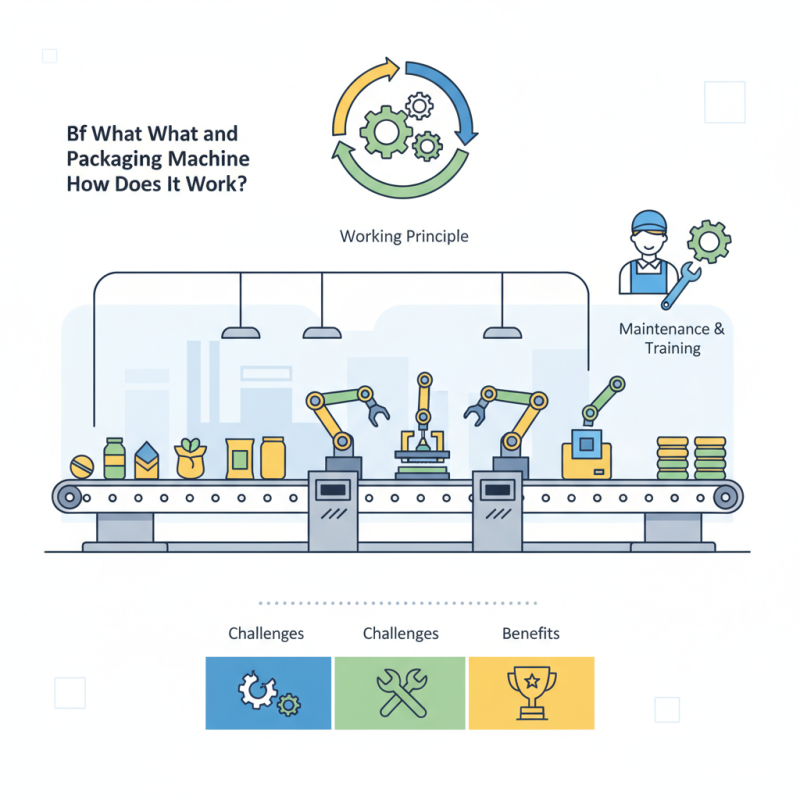
The working principle of a Packaging Machine is straightforward yet effective. It follows a systematic process to package products efficiently. For instance, products are loaded onto the conveyor belt, which moves them to various stations. Each station performs a specific task, contributing to the overall efficiency of the packaging line. However, challenges arise, such as machine jams or calibration issues, which can disrupt the workflow.
Investing in advanced Packaging Machines comes with its own set of considerations. Proper maintenance is crucial for reliable performance. Operators must be trained to handle these machines effectively. Mistakes can happen, and learning from them is part of the process. With proper expertise and experience, the benefits of using a Packaging Machine will outweigh the challenges.
Definition and Purpose of a Packaging Machine
A packaging machine is designed to automate the process of packaging products for distribution and sale. These machines are vital in various industries, including food, pharmaceuticals, and consumer goods. According to a recent market analysis, the global packaging machinery market is projected to reach over $45 billion by 2027, reflecting a compound annual growth rate (CAGR) of 4.2%. This shift emphasizes the importance of efficient packaging solutions in a competitive market.
The primary purpose of a packaging machine is to improve packaging speed and efficiency. Manual packaging can be labor-intensive and prone to errors. By incorporating automated systems, companies can increase throughput and ensure consistent quality. Machines can handle diverse packaging types, including pouches, bottles, and cartons. A report from the Packaging Machinery Manufacturers Institute indicates that automated machines can offer productivity increases of up to 50%, creating significant cost savings.
Despite the advantages, challenges persist in implementing these machines. High initial investment costs can deter smaller companies from entering the market. Additionally, the need for skilled operators to manage complex machinery introduces a potential bottleneck. Regular maintenance is crucial to ensure reliability, and failures can disrupt operations. Balancing automation with human oversight remains a crucial aspect for businesses seeking to optimize their packaging processes.
Types of Packaging Machines and Their Applications
Packaging machines play a vital role in various industries. They help in efficiently packing products for shipment, storage, and sale. There are several types of packaging machines, each designed for specific applications. Understanding these types can help businesses choose the right machine for their needs.
One common type is the vertical form-fill-seal machine. It is ideal for packaging products like granules and powders. This machine forms a pouch from a flat film roll, fills it with the product, and seals it.
Another type is the horizontal flow wrapper. It wraps products like bars or boxes in a plastic film. This type is particularly useful for food packaging, as it protects items from contamination.
Shrink-wrapping machines are also prevalent, especially in the food and beverage industry. They wrap products tightly with plastic film and shrink it using heat. This method improves product shelf life and provides tamper evidence.
However, choosing the wrong machine can lead to inefficiencies. Businesses should carefully consider their product types and packaging needs to avoid costly mistakes. Not every machine fits every product.
Key Components of a Packaging Machine
A packaging machine plays a crucial role in the production line by automating the packaging process for various products. Understanding its key components can enhance efficiency and ensure reliable operation. Key components include the filler, sealer, labeling machine, and conveyor system.
The filler measures and dispenses the product into packaging. With a market growth rate of around 4.5% annually, the importance of precision in this component cannot be overstated. Sealers ensure product integrity by securely sealing packages. Effective sealing preserves freshness and prevents contamination. Labeling machines follow, applying accurate product information. This step is vital for compliance and consumer transparency.
**Tip:** Regular maintenance of these components boosts performance. Small issues can lead to bigger problems, impacting overall production.
The conveyor system connects all components, facilitating smooth product flow. If the conveyor malfunctions, delays may arise. Downtime can be costly, making reliable conveyor design essential. Additionally, human operators should be well-trained to handle emergencies effectively. A well-structured system can contribute significantly to production efficiency, but inconsistencies in human oversight may require reflective improvements.
What is a Packaging Machine and How Does It Work? - Key Components of a Packaging Machine
| Component | Description | Function | Materials Used |
| Hopper | A container where products are stored before packaging. | Feeds the product into the packaging system. | Metal or food-grade plastic. |
| Fillers | Mechanisms that dispense a specific amount of product into the package. | Ensures accurate product quantity in every package. | Stainless steel or plastic. |
| Sealing System | Applies heat or pressure to seal packages. | Prevents product spillage and contamination. | Metal and rubber components. |
| Conveyor System | Moves products through various stages of packaging. | Increases efficiency and reduces manual handling. | | Plastic or metal frames with rubber belts. |
| Control Panel | Allows operators to control machine settings and operations. | Utilizes digital interfaces for easy access to functions. | Plastic and electronic components. |
How a Packaging Machine Operates Step by Step
Packaging machines play a crucial role in various industries, ensuring products are securely packed for transport and sale. Each step in the operation of a packaging machine is designed for efficiency and precision. These steps include feeding, forming, filling, sealing, and cutting. A study by Smithers Pira indicated that the global packaging machinery market was valued at $42 billion in 2020 and is expected to grow at a CAGR of 5.2% through 2025.
The operation begins with feeding the product into the machine. This can involve manual or automated processes. Different machines use diverse methods, such as conveyor belts or feeders, to ensure a steady flow. Next, the material is formed into the desired package shape. Materials include plastic films, paperboard, or glass, depending on the product's requirements. In a survey conducted by the Association for Packaging and Processing Technologies, about 73% of manufacturers reported that streamlining this step significantly improved their production rates.
Filling follows formation, where the product is placed inside the packaging. This step demands accuracy to prevent wastage. Sealing is critical and varies by package type. Heat sealing is often favored for its speed. Finally, cutting ensures packages are neatly finished. While packaging machines offer great benefits, issues like equipment jams or misalignments can disrupt production. Continuous evaluation of these steps is essential for maintaining operational efficiency and output quality.
Trends and Innovations in Packaging Machine Technology
In recent years, the packaging machine industry has witnessed significant innovations. Technologies such as automation and artificial intelligence have transformed the way products are packaged. According to a report by Grand View Research, the global packaging machinery market is expected to reach $60 billion by 2025, growing at a compound annual growth rate of 4.3%. This growth is driven by the increasing demand for efficiency and precision in packaging processes.
A key trend is the rise of smart packaging machines. These machines utilize IoT integration to monitor packaging lines in real-time. With advanced sensors, they can identify issues before they escalate, reducing downtime. Furthermore, the push for sustainability has led to machines that accommodate eco-friendly materials. A survey by Smithers Pira indicates that 45% of packaging companies are exploring sustainable solutions, reflecting a significant shift in industry priorities.
Despite these advancements, challenges remain. Not all manufacturers can afford high-tech solutions. This gap can hinder small businesses from competing effectively. Additionally, rapid technology changes can lead to obsolescence. Staying updated on the latest trends and training staff becomes crucial. Companies must navigate these challenges to leverage the benefits of modern packaging technologies effectively.