How to Choose a Recliner Massage Chair?
Choosing a Recliner Massage Chair requires more than comparing prices and counting massage programs. The right model should match your body, room, routine, and comfort expectations. A chair that feels relaxing for one person may feel cramped for another. Measure twice.
In practical testing, pay attention to the headrest, calf support, arm width, and reclining clearance. Sit with your feet flat and check whether the rollers follow your back naturally. Try several intensity levels, not only the strongest setting. Comfort matters. Listen for unusual motor noise, jerky movement, or heat that feels excessive. These details often reveal more than attractive showroom displays.
Reliable buying decisions also depend on evidence. Review the massage mechanism, weight capacity, warranty length, return terms, and available service support. Confirm that electrical and safety features meet applicable standards in your region. Avoid treating massage functions as medical treatment. People with pregnancy, circulation concerns, recent surgery, or chronic pain should seek qualified medical advice before regular use. Manufacturer claims deserve careful comparison with independent reviews and real user experiences. A thoughtful guide should admit its limits: no chair can guarantee better sleep, pain relief, or lasting comfort. Your posture, session length, and expectations still matter. This article will help you question persuasive features, identify useful specifications, and select a Recliner Massage Chair with greater confidence. Reconsider your first choice. Sometimes, the simpler chair wins.
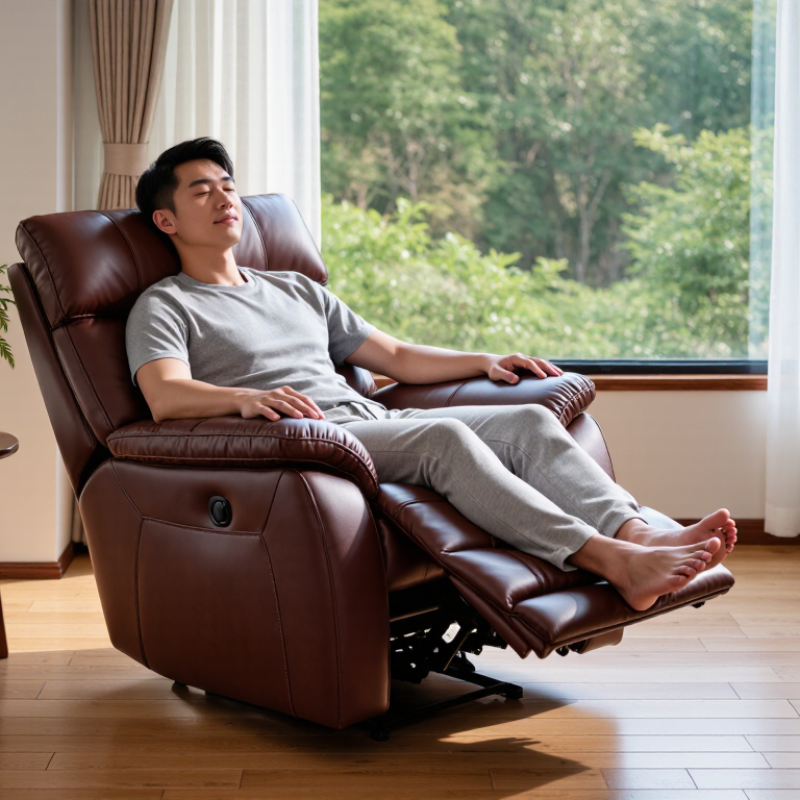
Define Your Needs and Budget Within the $500–$10,000 Market
How to Choose a Recliner Massage Chair?
The $500–$10,000 market contains very different products, not simply different price tags. Grand View Research reports continued growth in the global massage chair market, driven by home wellness spending and aging consumers. That growth makes comparison harder. Start with your actual routine. Do you need a chair after desk work, daily stretching, or occasional relaxation? Measure your room, doorways, and reclining clearance. A chair may fit the showroom but fail beside your coffee table.
At $500–$1,500, expect basic vibration, limited programs, and simpler upholstery. These models can suit light, occasional use. Around $1,500–$4,000, buyers often find improved rollers, body scanning, heat zones, and stronger adjustment controls. Above $4,000, longer tracks, quieter motors, and more precise positioning become common. They are not automatically better for every body.
Be realistic.
The American Massage Therapy Association’s consumer research consistently links massage use with relaxation and wellness goals, not guaranteed medical treatment. Therefore, check weight limits, warranty length, service coverage, and return conditions before paying for advanced features. I once focused too much on airbag count and ignored seat depth; that mistake made a premium chair uncomfortable after twenty minutes. It is worth testing knee, shoulder, and lumbar alignment in a neutral seated position. Also inspect the remote. If basic controls feel confusing, expensive programs will not rescue the experience. Forecasts from Allied Market Research show strong industry expansion, but market growth does not replace careful measurement, budget discipline, or personal fit.
Match Body Fit Using 120°–180° Recline and User-Height Ranges
How to Choose a Recliner Massage Chair?
Match Body Fit Using 120°–180° Recline and User-Height Ranges
A suitable massage chair should fit your body before you judge its features. Check the recommended user-height range first. Your shoulders should rest near the upper massage area, while the foot rollers should support your heels. If your head leans forward, the chair may be too large or poorly adjusted.
Recline angle also changes body alignment. A 120° position keeps your torso raised and may suit reading or short sessions. A 150°–160° angle usually distributes pressure more evenly across the back. A near-180° recline offers a flatter resting posture, but it needs enough floor space. The label alone can mislead. Test each position with your feet supported.
Tips: Measure your height, hip width, and available floor space before buying. Sit with your back fully against the cushion. Check whether your knees bend naturally. Your lower back should feel supported, not pushed forward. Try the chair for several minutes, if possible. Short trials can hide pressure points.
Look for adjustable shoulder detection and footrest length when your height falls near a range limit. A person close to the maximum height may find the neck rollers too low. Someone shorter may feel excessive pressure near the shoulders. Fit is not always perfect. Recheck the manual’s measurements, because different makers may define height ranges differently.
How to Choose a Recliner Massage Chair?
Match body fit using 120°–180° recline positions and practical user-height ranges.
Use these height bands as a practical screening guide: more upright positions generally suit shorter users, while deeper reclines provide more room for taller users. Always verify seat depth, shoulder alignment, footrest reach, and headrest position before purchase because body proportions vary at the same height.
Compare 2D, 3D, and 4D Rollers Along 40–60 cm Massage Tracks
Choosing a recliner massage chair starts with understanding its roller system and track length. A 40–60 cm massage track usually covers the neck, shoulders, back, and part of the lower back. Longer does not always mean better. I once assumed a 60 cm track would suit every body, but its reach depends on your height and sitting position.
2D rollers move up, down, and side to side. They provide steady pressure and are often easier to control. 3D rollers also move forward and backward, allowing deeper contact around the shoulders and waist. This adjustment can feel more natural when your back has uneven curves. However, stronger pressure is not automatically more effective. Comfort matters.
4D systems add changing speed and rhythm to the roller movement. The massage may feel slower near the neck and quicker along broader back muscles. On a 40–60 cm track, this can create a more varied session without requiring extreme pressure. Still, many users may not notice the difference after a tiring day. I recommend testing several programs, checking whether the rollers follow your spine, and confirming that your head and hips align with the chair’s guide points. A useful feature is worthless if the track misses your main tension areas.
Verify Safety Compliance with IEC 60335-2-32 and 15–30-Minute Programs
When choosing a recliner massage chair, safety should guide the decision. Check whether the product was evaluated against IEC 60335-2-32. This standard addresses safety requirements for massage appliances, including electrical and mechanical risks. Ask the seller for a declaration of conformity and an independent laboratory test report. The report should identify the exact model, test scope, and applicable voltage.
Do not accept a certificate image without checking its details. A credible supplier should explain protection against overheating, abnormal operation, electric shock, and moving-part hazards. Inspect the chair physically, too. Look for stable wiring, covered mechanisms, clear controls, and an accessible power disconnect. Pinch points near the footrest deserve attention. I once focused too heavily on padding and ignored this area.
The massage program length also affects safe use. Select models offering sessions between 15 and 30 minutes, preferably with an automatic shutoff. Shorter sessions can reduce heat, muscle soreness, and fatigue during regular use. Begin with gentle pressure and monitor your body during the first few sessions. Stop if you notice numbness, sharp pain, dizziness, or unusual heat. Longer sessions may feel better, but that assumption is not always correct. Read the user instructions carefully, especially if you have circulation problems, implanted devices, or recent injuries. A safety standard is valuable, yet it does not replace medical advice or responsible operation.
Assess Warranty, Energy Use, and 3–5-Year Ownership Costs
How to Choose a Recliner Massage Chair?
Warranty terms often reveal more than showroom features. During a chair assessment, I check frame, motor, electronics, upholstery, and labor coverage separately. A five-year frame warranty sounds reassuring, but a one-year electronics warranty may matter more. Read the exclusions carefully. Some policies exclude normal cushion compression, remote damage, or transportation costs. Ask whether technicians visit your home or require costly return shipping. Keep the invoice and service contact details.
Energy use is usually modest, but standby power deserves attention. Check the rated wattage on the specification label. A 120-watt chair used for 30 minutes daily consumes about 22 kilowatt-hours yearly. At 20 cents per kilowatt-hour, that is roughly 4 dollars. Real usage varies. A plug-in power meter can expose overnight consumption. Unplugging it is simple, though inconvenient.
For a three-to-five-year estimate, record the purchase price, delivery, electricity, cleaning supplies, and possible repairs. Include replacement remotes or worn padding. I once underestimated delivery fees and treated them as a minor detail. They changed the comparison. A useful worksheet separates fixed costs from uncertain ones. For example, calculate a likely repair and a worst-case repair. Also inspect seams, armrest firmness, and noise before buying. Comfort can decline after thousands of cycles. That is easy to overlook.
How to Choose a Recliner Massage Chair? — Assess Warranty, Energy Use, and 3–5-Year Ownership Costs
| Chair Category | Typical Purchase Price
(USD) | Motorized Parts Warranty | Labor / In-Home Service Warranty | Rated Power | Estimated Annual Electricity Cost | Expected Out-of-Warranty Reserve
(3 Years) | Estimated 3-Year Ownership Cost | Estimated 5-Year Ownership Cost |
| Entry-Level Recliner Massage Chair | $700–$1,200 | 1 year | 90 days–1 year | 80–120 W | $2.00–$3.50 | $150–$300 | $1,050–$1,650 | $1,200–$1,950 |
| Mid-Range Recliner Massage Chair | $1,500–$3,000 | 2–3 years | 1–2 years | 100–180 W | $2.50–$5.00 | $250–$500 | $1,800–$3,550 | $2,050–$4,050 |
| Premium Recliner Massage Chair | $3,500–$8,000+ | 3–5 years | 1–3 years | 120–250 W | $3.00–$7.00 | $400–$900 | $3,950–$8,950 | $4,250–$9,650 |
| Best Value Target | $1,500–$3,000 | At least 2 years on motors and electronics | At least 1 year, preferably with in-home service | ≤180 W | Usually below $5.00 | $250–$500 | $1,800–$3,550 | $2,050–$4,050 |
Calculation basis: Electricity estimates assume one 30-minute session per day, 300 days per year, an electricity rate of $0.16 per kWh, and the chair's rated operating power. Standby power, taxes, delivery, assembly, financing, and disposal costs are excluded. The 3-year ownership estimate equals the purchase price plus three years of electricity and a representative out-of-warranty repair reserve. The 5-year estimate equals the purchase price plus five years of electricity and the same reserve. Warranty coverage varies by seller and may exclude labor, shipping, upholstery, remote controls, or commercial use; confirm the written terms before purchase.