2026 How to Choose the Best Sewer Cleaning Machine?
As urban infrastructure ages, effective sewer management has never been more crucial. The global Sewer Cleaning Machine market is expected to reach $4.5 billion by 2026, emphasizing the importance of selecting the right equipment for effective waste management. A high-quality sewer cleaning machine can significantly reduce maintenance costs and improve service quality.
Choosing the best sewer cleaning machine is vital for municipalities and private service providers. The efficiency of these machines impacts not only operational costs but also environmental safety. Recent studies indicate that outdated equipment can lead to service disruptions and costly repairs. Consequently, the right selection process involves careful consideration of several factors, including machine capacity, ease of use, and technological capabilities.
However, it is essential to acknowledge that there is no one-size-fits-all solution. Each scenario presents unique challenges. Potential buyers often face confusing options. Inaccurate assessments can lead to regrettable choices. It is necessary to analyze specific needs and potential limitations to ensure the selected sewer cleaning machine aligns with long-term goals.
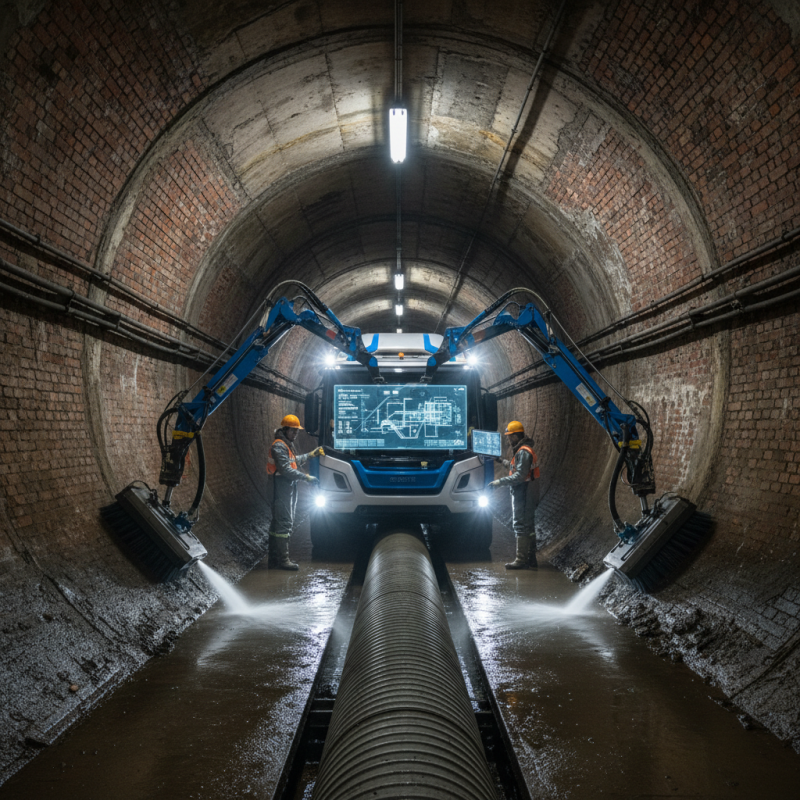
Factors to Consider When Choosing a Sewer Cleaning Machine
Choosing the right sewer cleaning machine involves evaluating several key factors. The first thing to consider is the machine's capacity. Will it handle the volume of waste typical for your needs? A machine too small will require frequent emptying, while a large one may be cumbersome.
Another factor is the power source. Some machines operate on electricity, while others may use gas. Each has its pros and cons. Electric machines are often quieter and more efficient, but gas engines pack a more powerful punch for heavy-duty jobs. Think about where you will use the machine.
Tips: Look for a model that has a good balance between portability and power. A heavy machine may not be practical for smaller spaces. Pay attention to water pressure capabilities as well. High pressure can significantly speed up cleaning.
Consider maintenance as well. Some machines need more care than others. Read user reviews to gauge reliability. This can be an indicator of how well a machine performs over time. Choosing the wrong machine can lead to unnecessary frustrations. Reflect on your specific needs and choose wisely.
Types of Sewer Cleaning Machines Available on the Market
When considering a sewer cleaning machine, understanding the different types available is essential. There are three primary categories: drain snakes, high-pressure water jetters, and vacuum trucks. Each type serves specific functions based on the severity of the blockage and the infrastructure in question.
Drain snakes are compact devices ideal for minor clogs. They can remove debris from pipes ranging from 2 to 6 inches in diameter. According to industry reports, they account for approximately 50% of the market share in residential use. High-pressure water jetters utilize pressurized water to clear more stubborn blockages. They are effective on pipes up to 12 inches in diameter. Vacuum trucks are best for large-scale operations, removing liquids and solids from extensive systems. Each machine’s efficiency depends on the task at hand.
**Tip:** When selecting a machine, analyze your typical job types and sizes. This helps ensure you choose functionality over power alone. It's important to note that each machine requires regular maintenance. Infrequent servicing can lead to malfunction, undermining the initial investment. Understanding the complexities of your operations will lead to better decision-making in equipment selection.
Key Features to Look for in a Sewer Cleaning Machine
When selecting a sewer cleaning machine, it is crucial to consider its key features. A powerful motor is essential. It determines how effectively the machine operates. Look for models that offer a high horsepower rating. This can significantly speed up the cleaning process. Also, consider the machine's jetting pressure. Higher pressure can break down tough blockages more efficiently.
Another important feature is the hose length and diameter. A longer hose gives you more access to distant areas. Additionally, a wider diameter can improve water flow. Flexibility is crucial. Ensure the machine is designed for various pipe sizes. This versatility will save time and effort during jobs.
Durability matters too. Machines built with sturdy materials last longer. Regular use can lead to wear and tear. Look for signs of build quality. Pay attention to warranties and support from manufacturers. Although many machines claim versatility, not all deliver. Research user reviews to gauge real-world performance. This information can reveal potential problems or areas for improvement.
Assessing the Size and Capacity of Sewer Cleaning Machines
When choosing a sewer cleaning machine, size and capacity are crucial factors. A compact machine may be sufficient for residential tasks, but larger jobs need more power and volume. Consider the diameter of the pipes you're working on. For narrow spaces, a smaller, nimble unit is ideal. Conversely, wider pipes demand machines with higher capacity to clear blockages effectively.
Assess the water pressure and flow rate required for your projects. High-capacity machines can handle larger debris but might be overkill for minor clogs. Moreover, the machine's weight is essential. Heavier machines can be challenging to transport and maneuver. Seek models that balance power with ease of use. Pay attention to features like hose length and reel design. A well-designed reel can reduce the hassle of setup.
Not all tasks are straightforward. Some jobs may require multiple machines to handle different challenges. Reflect on previous experiences with sewer cleaning—what worked well and what didn't? Avoid falling into the trap of thinking one size fits all. Each project may present unique demands that could catch you off guard. Emphasizing adaptability will lead you to a more suitable choice.
2026 How to Choose the Best Sewer Cleaning Machine? - Assessing the Size and Capacity of Sewer Cleaning Machines
| Machine Type | Size (inches) | Capacity (GPM) | Weight (lbs) | Power (HP) |
| Portable Jetting Machine | 4-6 | 15-25 | 100 | 3-5 |
| Truck-mounted Jetting Machine | 8-12 | 50-100 | 2000 | 20-30 |
| Combination Machine | 10-14 | 30-70 | 1500 | 15-25 |
| Electric Drain Cleaner | 3-5 | 10-20 | 50 | 1-2 |
| High-Pressure Water Jet | 6-10 | 40-80 | 300 | 10-15 |
Budget Considerations for Purchasing a Sewer Cleaning Machine
When considering a sewer cleaning machine, budget is a key factor. It determines the type and quality of equipment you can afford. Prices can range widely. A more expensive machine often offers advanced features and durability. However, lower-priced options might suffice for smaller jobs. Identify your specific needs before making a decision.
Proper research is essential. Compare prices from different sources. Look for machines that come with warranties or service agreements. These can save money in the long run. Additionally, think about maintenance costs. Some machines may need frequent repairs, leading to unexpected expenses. Don't overlook user reviews. They provide insights into reliability and performance.
It’s also important to think about future needs. An initial low-cost investment might not provide long-term benefits. You may find yourself needing a better machine soon after. Consider the machine’s versatility. A more adaptable machine could serve various tasks, offering better value over time. Reflecting on these factors will help make a more informed and practical choice.