10 Essential Tips for Choosing the Right Sprinkler Valves for Your Garden?

10 Essential Tips for Choosing the Right Sprinkler Valves for Your Garden?

Choosing the right sprinkler valves for your garden can significantly impact your irrigation system's efficiency. Expert John Langston, a renowned figure in landscape irrigation, emphasizes, "Selecting suitable sprinkler valves is crucial for maintaining healthy plants." His insights can guide gardeners in making informed decisions.

When considering sprinkler valves, several factors come into play. The type of valve, its pressure rating, and material can affect longevity and functionality. For instance, PVC valves are cost-effective but may not withstand extreme temperatures as well as brass valves. Understanding these aspects can improve your garden's watering efficiency.

It’s essential to balance price and quality. Poor choices can lead to leaks or malfunctions. This can waste water and harm your plants. Reflection on past valve choices can help you avoid mistakes. Invest time in researching sprinkler valves to ensure your garden thrives.
10 Essential Tips for Choosing the Right Sprinkler Valves for Your Garden?

Understanding the Different Types of Sprinkler Valves Available

Choosing the right sprinkler valve is crucial for effective garden irrigation. Understanding the different types available can significantly impact your garden's health. There are several types of valves: automatic, manual, and pressure-regulating valves. Each type has unique features that cater to specific gardening needs. For instance, automatic valves are convenient for large gardens and help with water efficiency.

Tips: Consider valve size. A valve that’s too small can restrict flow. A report from the Irrigation Association highlights that improper sizing can lead to a 30% increase in water usage. Don’t overlook the installation requirements too. Some valves require more complex setups, potentially increasing costs.

Different materials also affect performance and longevity. Plastic valves are lightweight but may not withstand extreme temperatures. Conversely, brass valves offer durability but are heavier and more expensive. A well-researched choice can lead to better water distribution and healthier plants. Remember to assess your garden's specific needs before making a final decision.
Key Factors to Consider When Selecting Sprinkler Valves for Your Garden

Choosing the right sprinkler valves is crucial for an efficient garden irrigation system. Start by assessing the water pressure in your area. Low pressure can affect how well the system operates. Understanding this will help you select valves that work best within your garden's unique conditions.

Consider the valve material. Plastic valves are affordable but might not withstand extreme weather. Metal valves last longer but come at a higher cost. Think about the climate in your area. A valve that works well in a temperate region may not perform as expected in harsher conditions.

Don't overlook the flow rate. Select valves that match your sprinkler's flow requirements. If the flow is too high or low, it can lead to flooding or dry patches. Always be open to adjusting your choices based on trial and error. This reflection can enhance your gardening experience. Sometimes, the best insights come from mistakes made along the way.

Water Usage by Sprinkler Valve Type

Assessing the Compatibility of Valves with Your Irrigation System

When selecting sprinkler valves, compatibility with your existing irrigation system is crucial. Many gardens have varying soil types and plant requirements. A report by the Irrigation Association indicates that systems with mismatched components can waste up to 30% more water. Choosing the right valve can mitigate this waste and promote healthy plant growth.

Consider the flow rate of your current system. Valves that cannot handle the necessary flow may lead to pressure issues, resulting in uneven watering. In fact, poorly matched systems often suffer from insufficient coverage. This can stall garden development and promote pest infestations. Furthermore, check if your valve type—manual, electric, or pressure-regulating—aligns with your irrigation setup. A study published in the Journal of Irrigation and Drainage suggests that proper type selection can enhance efficiency by 25%.

It’s also vital to assess the emission uniformity of your system. Experts recommend testing your system after installation. Uneven distribution points to valve issues or incompatibility. Keeping your garden healthy relies heavily on your irrigation’s efficiency. Thus, taking these factors seriously can lead to significant improvements in water management and plant vitality.

Evaluating Valve Durability and Material for Long-Lasting Performance

10 Essential Tips for Choosing the Right Sprinkler Valves for Your Garden?

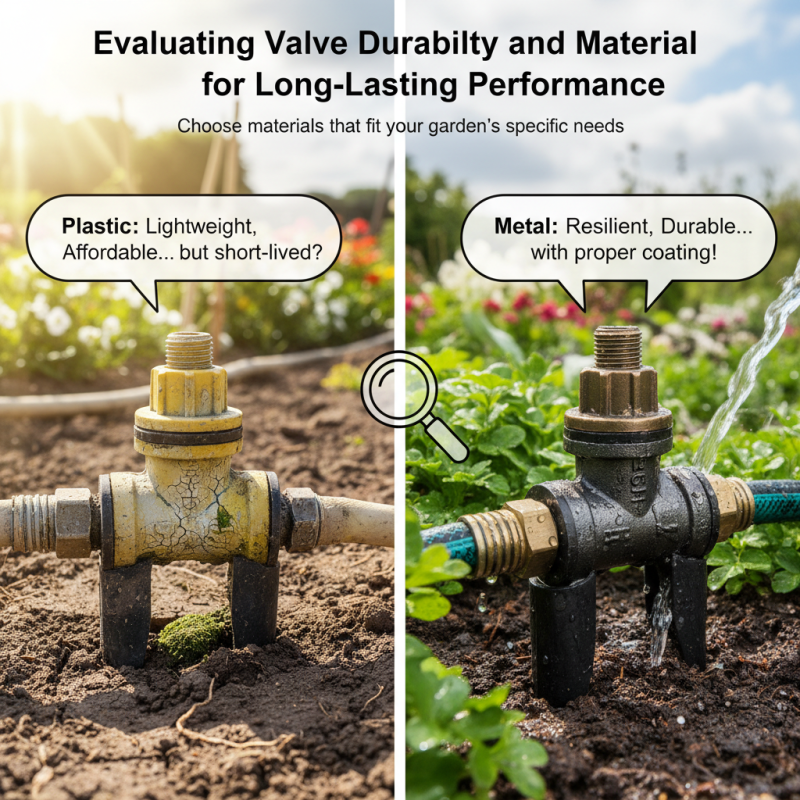
When selecting sprinkler valves, durability and material should be at the forefront of your decision-making. Research indicates that the valve material directly impacts its lifespan and performance in a garden setting. Plastic valves, while lightweight and affordable, may not withstand harsh climates or UV exposure. In contrast, metal valves often prove more resilient but can be prone to rust if not properly coated. Choose materials that fit your garden's specific needs.

Consider these tips: Make sure to check the pressure rating of the valve you choose. Higher ratings often translate to more robust performance. Also, assess the valve's resistance to chemicals, especially if your garden uses fertilizers or pesticides. It might not seem critical at first, but the wrong material can degrade over time, leading to leaks.

Another important factor is the valve's design. A poorly designed valve can lead to malfunction and wasted water. Opt for valves with a reputation for reliability. Many industry reports suggest that a well-made valve can last over a decade in the right conditions. However, even the best valves may need maintenance. Regular checks can prevent small issues from becoming significant headaches.

Tips for Proper Installation and Maintenance of Sprinkler Valves

10 Essential Tips for Choosing the Right Sprinkler Valves for Your Garden?

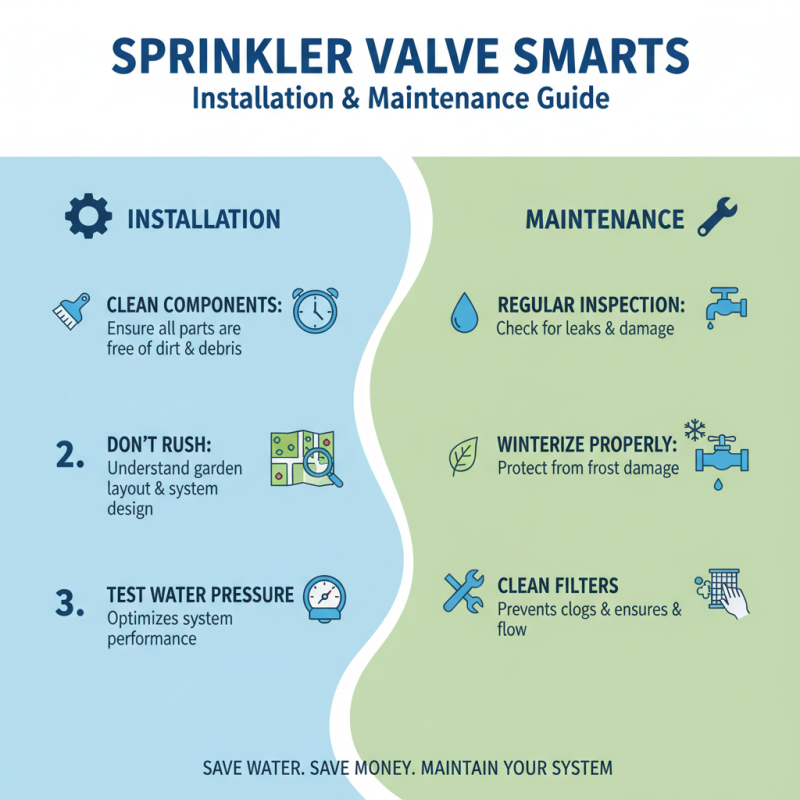
When installing sprinkler valves, proper technique is crucial. Begin by ensuring all components are clean. Dirt can obstruct functionality, leading to costly repairs. Avoid rushing the installation process. Take your time to understand the layout of your garden. Test the water pressure before installation. It can affect how well the system operates.

Regular maintenance is essential for longevity. Check for leaks monthly. A small leak can waste water and increase bills. Clean the filters at least twice a year. This helps maintain a steady flow. Inspect the wiring connections regularly. Damaged wires can cause the system to malfunction.

Consider seasonal changes. Before winter, drain the system to prevent freezing. This simple step can save you from significant issues. Document any changes you make to the system. This will help you track the history and repairs. Effective notes can save time in future maintenance tasks. Proper care ensures your sprinkler valves serve your garden well for years.