Essential Tips for Choosing Ground Rod Copper for Your Needs?
Choosing the right Ground Rod Copper is crucial for effective electrical grounding. Expert Mark Thompson, a two-decade veteran in electrical systems, emphasizes, "Quality grounding begins with the right materials." His insight reflects a common challenge in the industry: finding reliable information on Ground Rod Copper types.
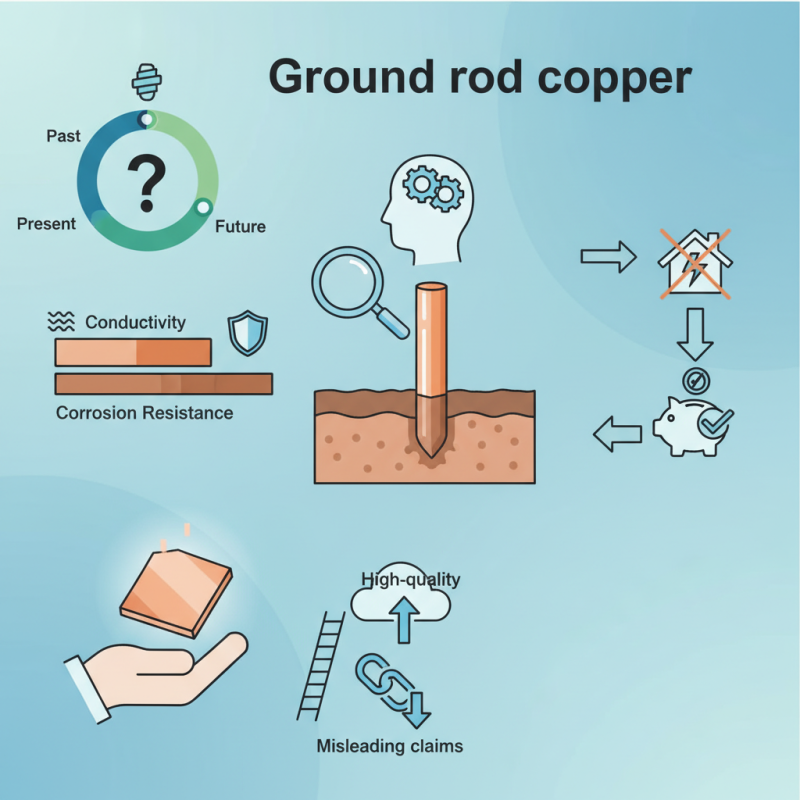
Many buyers struggle with understanding the specifications. Not all Ground Rod Copper is created equal. Factors like conductivity, corrosion resistance, and durability play significant roles in performance. Brands often market their products without clear information, which can lead to confusion.
Investing in high-quality Ground Rod Copper can prevent future issues. Be mindful of misleading claims and seek proven products. Remember, the right choice today secures your electrical safety tomorrow. A thoughtful decision could save you from costly repairs later on.
Factors to Consider When Selecting Copper Ground Rods
When selecting copper ground rods, several factors should guide your decision. Start with the rod's diameter. Generally, thicker rods provide better conductivity and corrosion resistance. A minimum of 5/8 inch is often recommended for most applications. Remember that the length of the rod also matters. Longer rods penetrate deeper, creating a more effective ground connection.
Consider the environment as well. If the ground is rocky or sandy, choose rods made from high-quality copper. This ensures durability against harsh conditions. The installation method should not be overlooked. Some rods require specific tools. You may have to dig deep trenches in some areas, which can be physically demanding.
Don't forget to evaluate the local regulations. Some areas have strict guidelines for grounding equipment. Check with professionals to ensure compliance. Researching your options thoroughly can prevent issues down the line. Grounding systems are critical for safety. Ensure you prioritize quality to protect your devices and prevent electrical hazards.
Essential Tips for Choosing Ground Rod Copper for Your Needs
| Factor | Description | Recommended Size |
| Material Quality | Choose high-grade copper to ensure corrosion resistance and durability. | #4 AWG |
| Length | Consider local regulations and soil conditions; longer rods can reach better grounding. | 8 - 10 feet |
| Diameter | Thicker rods provide better conductivity. | 3/4 inch |
| Installation Method | Consider if the rod will be driven into the ground or if it needs to be buried. | N/A |
| Compliance | Ensure the chosen ground rod meets local electrical codes. | N/A |
Types of Copper Ground Rods and Their Applications
When choosing a copper ground rod, it's crucial to understand the various types available. Each type serves different applications, impacting performance and reliability. Solid copper ground rods are widely used in residential settings. They offer excellent conductivity and corrosion resistance. These rods are typically 8 to 10 feet long and are easy to install in dirt or concrete.
Another option is copper-clad ground rods. They consist of a steel core coated with a layer of copper. This type is more cost-effective, yet still provides satisfactory conductivity. They are suitable for commercial installations where budget constraints are significant. However, some may question the durability of the copper-clad compared to solid rods.
Additionally, consider the rod's installation environment. Different soils can affect conductivity. Wet or acidic soils may cause faster corrosion. Some contractors recommend using a longer ground rod in such conditions. If you're unsure, consulting with a professional can help ensure you choose appropriately. Recognizing the nuances of each type can prevent potential grounding issues in the future.
Sizing and Length Requirements for Ground Rods
When selecting ground rods, sizing and length are crucial factors that impact performance. The National Electrical Code (NEC) recommends a minimum length of 8 feet for ground rods. This standard is based on the need to ensure sufficient conductivity. In some cases, longer rods may be necessary in soil with high resistivity or rocky conditions. A study by the IEEE indicates that ground rods should be at least 10 feet long in such environments.
Diameter also plays a role. Typically, ground rods have a diameter ranging from ½ inch to ¾ inch. However, using a larger diameter can improve performance. The ability to dissipate electrical energy more effectively depends on rod size. A report from the Electrical Safety Foundation International highlights that a thicker rod minimizes resistance and enhances grounding effectiveness. Ground professionals suggest choosing a diameter that aligns with your specific soil conditions and application.
In evaluating ground rod needs, soil type should not be overlooked. Clay soils offer good conductivity, while sandy or rocky soils may require more extensive grounding systems. Seasonal changes can also affect soil resistivity. Understanding these variables is essential for optimal performance. A custom approach might be necessary, ensuring your system meets both safety and efficacy standards over time.
Installation Techniques for Effective Grounding
When installing a ground rod, proper techniques ensure effective grounding. Begin with choosing the right copper ground rod, typically 8 to 10 feet in length. The diameter should be at least 3/4 inch. Research shows that a deeper rod offers better conductivity and durability. Consider the soil type in your area; rocky or dry soil can impede performance.
The installation process itself matters. Using a sledgehammer, drive the rod vertically into the ground. Aim for at least 8 feet of depth, which maximizes grounding efficiency. A common mistake is stopping too soon, which can lead to inadequate electrical grounding. Always check your local regulations; they vary by region. Conduct a soil resistivity test to measure the effectiveness of the grounding.
Ensure all connections to your ground rod are tight and corrosion-free. Use a quality conductor to connect your system to the rod. Regular inspections help identify signs of wear or corrosion. These practices enhance safety and effectiveness in your electrical grounding systems. Adopting these methods can be the difference between a reliable system and one that falters under strain.
Maintenance and Inspection of Copper Ground Rod Systems
Regular maintenance and inspection of copper ground rod systems are crucial for ensuring safety and effectiveness. Over time, corrosion can occur, reducing conductivity. Inspect your ground rods at least once a year. Look for visible signs of wear or damage. Ensure that they are firmly anchored in the ground and that connections are tight.
Cleaning is another key aspect. Dirt and debris can build up, leading to poor performance. Use a wire brush to remove grime, but avoid excessive force. This could cause unnecessary damage. Take the time to check connections for rust or deterioration. These can significantly hinder conductivity and overall safety.
Don't overlook the surrounding environment. Soil conditions can impact ground rod performance. Conduct regular soil testing to monitor changes. If you notice any unusual fluctuations in resistance, investigate promptly. Understanding these factors is essential for long-term functionality. Regular inspections may reveal unexpected issues that need addressing. Every maintenance check is an opportunity to enhance your system’s reliability.