Top Electric Forklift Battery Insights for Global Buyers?
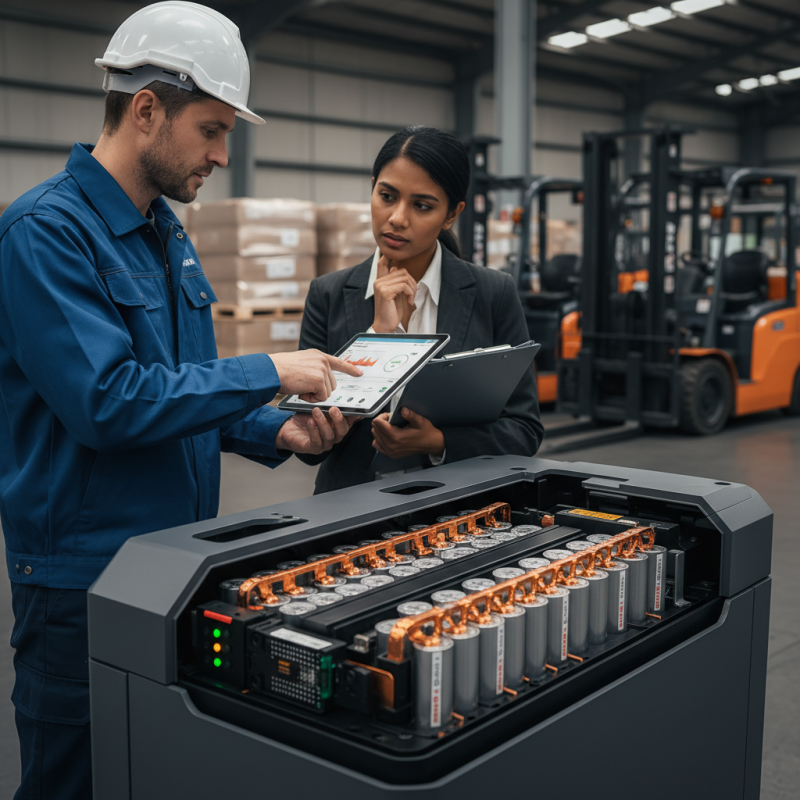
The demand for electric forklifts is rising globally. As businesses aim for sustainability, the role of the Electric Forklift Battery is crucial. This battery type directly influences productivity and operational efficiency. Understanding its features is essential for buyers.
Quality and longevity are top priorities for electric forklift batteries. Buyers must know the differences in technology, capacity, and charging options. Each choice impacts performance and total cost of ownership. Moreover, not all batteries are created equal. Reliability can vary significantly across brands.
Buyers should be cautious of claims. Research and user experiences can reveal hidden issues. An informed decision often leads to better operational outcomes. Discussing with industry experts can provide valuable insights. The electric forklift battery is not just a product; it is an investment for future growth.
Key Types of Electric Forklift Batteries and Their Features
When considering electric forklift batteries, understanding the key types is essential. Lead-acid batteries are one popular choice. They are cost-effective and widely available. However, they require regular maintenance and have a shorter lifespan compared to other types. Users must be diligent in checking water levels and cleaning terminals.
Lithium-ion batteries are becoming more prevalent in the industry. They offer a longer lifespan and faster charging times. This can lead to increased efficiency for operations. The upfront cost is higher, which may be a deterrent for some buyers. However, the long-term savings on maintenance and energy make them worth considering.
Nickel-metal hydride batteries are another alternative. They are less common but provide excellent performance in extreme temperatures. This can be a significant advantage for businesses operating in varied environments. It’s important for buyers to weigh the pros and cons of each battery type. Each option has unique features that cater to different needs, and assessing the specific requirements of your operation is crucial.
Factors Influencing Electric Forklift Battery Selection for Buyers
When considering electric forklift batteries, several factors significantly affect buyer choices. One primary factor is battery type. Lithium-ion batteries are gaining traction due to their efficiency and longevity. According to a recent market report, lithium-ion batteries boast a lifespan of over 5,000 cycles, compared to 1,500 cycles for traditional lead-acid batteries. This translates into lower long-term costs and reduced downtime during replacements.
Cost is another critical factor. Although lithium-ion batteries carry a higher upfront price, their lower maintenance costs and rapid charging capabilities can offer better value over time. Buyers should weigh initial expenses against potential savings from enhanced productivity. Additionally, battery compatibility with existing equipment is essential, as incompatibility can lead to operational inefficiencies. It’s important to conduct thorough research and consult industry experts to understand which options align best with specific operational needs.
Charging infrastructure is a fundamental consideration. A robust charging system can directly impact battery performance. The speed of charging and the availability of charging stations can make a difference in overall operational efficiency. Underestimating these needs can lead to significant operational delays. Buyers must consider their working environment and the intensity of usage when making selections.
Best Practices for Maintaining Electric Forklift Batteries
Maintaining electric forklift batteries is crucial for optimal performance. Regular inspections can help identify potential issues early. Check connections and terminals for corrosion. Clean them regularly to ensure good conductivity. Battery performance can diminish if dirt or grime builds up.
Proper charging practices also play a significant role. Avoid overcharging, as it can lead to heat build-up. Heat can damage cells and reduce battery life. Aim for a consistent charging schedule to balance usage and battery health. Implementing a routine can help workers remember to unplug chargers when batteries are full.
Additionally, temperature monitoring is essential. Extreme heat or cold can affect battery efficiency. Store batteries in a controlled environment if possible. Keeping batteries at the right temperature can extend their lifespan significantly. Neglecting this aspect can lead to unexpected downtimes and costly replacements down the line.
Emerging Technologies in Electric Forklift Battery Solutions
Emerging technologies in electric forklift batteries are reshaping the industry. Advanced lithium-ion batteries dominate the market, offering improved energy density and faster charging times. These changes can lead to greater productivity in warehouses and factories. A key focus is on increasing battery life and reducing the need for frequent replacements.
Innovations like solid-state batteries show promise. They can provide higher safety levels and efficiency. However, they are still in the developmental phase and not yet widely available. Ongoing research aims to address challenges such as cost and scalability. Buyers should be cautious about relying solely on unproven technologies for their operations.
Tips: Consider battery management systems for better monitoring. Regular maintenance can also extend battery life significantly. Research available recycling options to ensure sustainability in battery disposal.
Top Electric Forklift Battery Insights for Global Buyers
| Battery Type | Energy Density (Wh/kg) | Charging Time (hours) | Cycle Life (charges) | Temperature Range (°C) |
| Lithium-ion | 150-250 | 1-2 | 2000-5000 | -20 to 60 |
| Lead-acid | 30-50 | 6-8 | 500-1500 | 0 to 45 |
| Nickel Cadmium | 40-80 | 4-6 | 1000-2000 | -20 to 60 |
| Lithium Iron Phosphate | 90-160 | 1-3 | 2000-7000 | -20 to 60 |
Global Market Trends Impacting Electric Forklift Battery Demand
The global market for electric forklift batteries is evolving. Demand is influenced by several key trends. Industries are shifting toward sustainability. This drives the need for cleaner energy solutions. With concerns over carbon footprints, electric forklifts gain preference. Their rechargeable batteries align with eco-friendly goals.
Battery technology is also improving rapidly. Manufacturers are exploring advanced materials and designs. Lithium-ion batteries are becoming more common. They offer longer life spans and faster charging times. However, the initial cost can be high. Businesses must weigh these factors carefully. Reliability is crucial when selecting battery sources.
Market fluctuations can complicate demand. Economic conditions and supply chain issues often alter availability. Buyers face challenges in ensuring consistent supply. This situation calls for strategic planning. Understanding market trends helps buyers make informed decisions. As the industry matures, staying updated is essential for procurement teams. Adapting to these changes requires vigilance and flexibility.