How to Choose Wire for Thermal Spray Applications?
Wire for Thermal Spray applications plays a critical role in various industries, including aerospace and manufacturing. According to a 2021 market analysis by Grand View Research, the thermal spray coating market is expected to exceed $12 billion by 2028, reflecting a significant demand for high-quality wire. Choosing the right wire can directly affect coating performance and durability.
Selecting Wire for Thermal Spray requires an understanding of material properties and suitability for specific tasks. The American Society for Testing and Materials (ASTM) emphasizes that compatibility with substrates is essential for achieving desired results. Many users often overlook factors such as wire diameter and melting point, which can lead to suboptimal spray performance.
While manufacturers provide guidelines, these might not cover all unique requirements. Users might find generic wire choices available, but they may not suit every application. Additionally, the wide variety of available alloys adds complexity. Proper wire selection can reduce costs and improve coatings’ lifespan. A thoughtful approach will lead to better returns on investment and enhanced component performance.
Types of Wires Suitable for Thermal Spray Applications
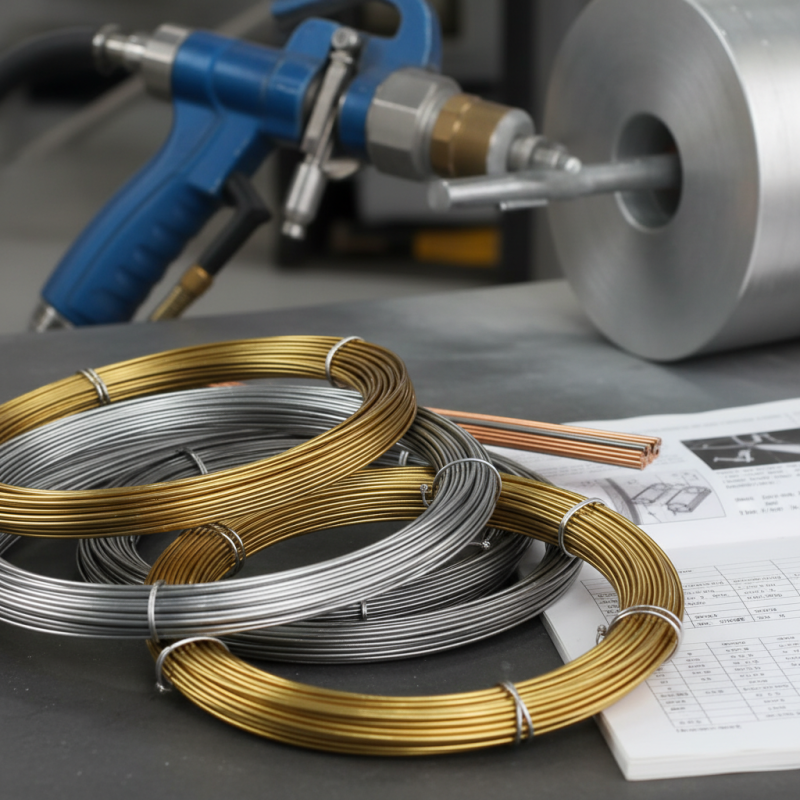
When selecting wires for thermal spray applications, understanding the types available is critical. The materials often used include various alloys, ceramics, and metals. Common choices are zinc, aluminum, and copper wires due to their excellent thermal and electrical conductivity. Each wire type brings unique properties, affecting performance during different processes.
Zinc wires are often utilized for corrosion protection. They create a robust barrier against environmental elements. Aluminum wires, on the other hand, offer lightweight solutions with good thermal protection. They are vital in automotive parts and components exposed to high temperatures. Copper wires are prized for their electrical conductivity, making them ideal for applications where heat and electricity are concerns.
While selecting wires, one must consider factors such as oxidation potential and substrate compatibility. Not every wire performs equally across all applications. Sometimes, unexpected results occur during trials. Proper preparation and testing of each wire type ensure effective outcomes. Therefore, it’s crucial to measure performance metrics carefully and adjust choices accordingly. Additionally, exploring new materials may yield even better results.
Key Properties to Consider When Selecting Thermal Spray Wire
When selecting wire for thermal spray applications, several key properties are critical. First, consider the wire's composition. Different materials provide unique characteristics, such as hardness and adhesion strength. For instance, wires with higher nickel content tend to exhibits better corrosion resistance. The choice of wire affects the final coating's performance, impacting durability and functionality.
Another important factor is the wire diameter. The typical range is between 0.8 mm to 2.4 mm. A smaller diameter may lead to finer coatings, while larger diameters deliver thicker layers. According to industry reports, the optimal wire diameter directly influences the thermal spray technique's efficiency. Furthermore, uniformity in wire diameter ensures consistent material flow, essential for achieving high-quality surfaces.
Thermal conductivity is also a key consideration. Higher conductivity improves heat transfer during the spraying process. This results in better melting of the wire and, subsequently, more uniform coatings. Reports indicate that improper selection of wire properties can lead to reduced coating performance, increased operational costs, and potential rework. Therefore, thorough analysis and understanding of material properties are imperative for successful thermal spray applications.
Understanding Coating Requirements for Different Applications
Choosing the right wire for thermal spray applications hinges on understanding the specific coating requirements for each project. Different industries have unique needs, influencing wire material selection. For example, the aerospace sector often requires coatings that withstand high temperatures and corrosion. According to a report by the Global Thermal Spray Coatings Market, aerospace coatings are projected to grow by 6.3% annually through 2026.
In contrast, the automotive industry focuses on wear resistance. Coatings must endure friction and protect parts from environmental damage. The surface properties, like hardness and adhesion, dictate wire choice. Data shows that using high-quality wire can enhance coating durability by up to 30%. Selecting wire alone isn’t sufficient; understanding the end-use application plays a vital role.
Some professionals overlook the necessity of testing coatings under realistic conditions. Neglecting this aspect can lead to suboptimal performance. Choosing wire is not only about material type. It's also about fit for purpose, including thermal and mechanical properties. Evaluating all factors may present challenges, yet it is essential for effective thermal spraying.
Wire Selection for Thermal Spray Applications
Evaluating Cost vs. Performance in Thermal Spray Wire Selection
Choosing the right wire for thermal spray applications involves a careful balance between cost and performance. It is crucial to understand the specific requirements of the project. Performance characteristics like adhesion, durability, and thermal expansion should guide your selection. A more expensive wire might offer superior properties, but will it justify the additional cost?
Cost considerations cannot be overlooked. Lower-cost wires can perform adequately for some applications, yet they may lack consistency. This inconsistency can lead to failures in critical environments, necessitating a reevaluation of overall project costs. Shortcuts with cheaper wires often result in more repairs.
Evaluating wire options should include practical testing. Use sample pieces to assess performance in real-world conditions. Gather feedback from operators on ease of use and results. Being aware of these details will lead to better decision-making. A reflective approach will ensure that you balance cost pressures with the performance needed for your thermal spray application.
Best Practices for Wire Handling and Storage in Thermal Spray Processes
Choosing the right wire for thermal spray applications is critical. Proper wire handling and storage are essential to ensure quality results. Many mishaps occur due to improper storage conditions. For instance, a report by the Thermal Spray Association notes that moisture or contaminants can significantly affect wire performance.
Storing wires in a controlled environment is advisable. Ideal conditions include low humidity and stable temperatures. This can prevent oxidation and deterioration. Use sealed containers for added protection. It's important to regularly inspect the wires for any signs of corrosion or damages.
**Tips**: Always label containers clearly. It minimizes confusion and ensures the correct wire is used. Additionally, store wires on racks to avoid any bending or breaking. Avoid placing heavy items on top of wires to prevent unintentional damage. Following these best practices improves the longevity and performance of the wire. Remember, a small oversight can lead to costly setbacks in production.