How to Choose the Right Industrial Valves for Your Needs?
Choosing the right industrial valves can be a complex task. Industries rely heavily on these critical components, as they ensure fluid control in various applications. According to a recent market report, the global industrial valves market is projected to reach $100 billion by 2026. This growth underscores the significance of selecting suitable valves for operational efficiency.
Industrial valves vary widely in type and function. Each valve type offers unique characteristics suitable for specific environments. Data shows that improper valve selection can lead to significant downtime and increased costs. A well-chosen valve enhances system performance and reliability, while a poor choice may result in leaks or failures.
Understanding your requirements is essential. Factors like pressure, temperature, and fluid characteristics play a crucial role in selection. Compiling data from various sources can help in making informed choices. Remember, even the most reliable products have limitations. A critical analysis of available options will help in that decision-making process.
Understanding the Different Types of Industrial Valves Available
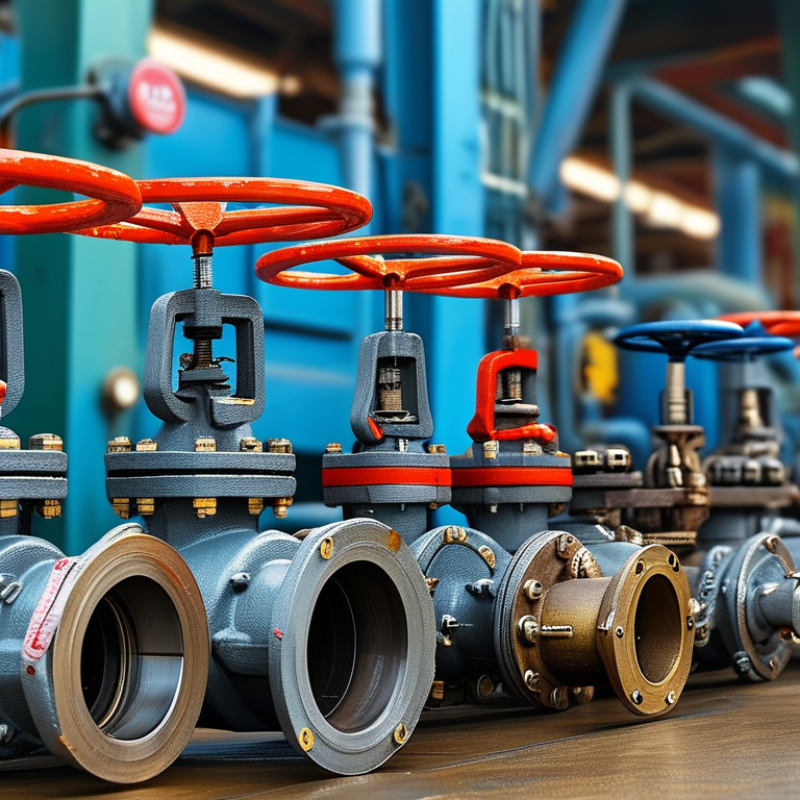
When selecting industrial valves, understanding the various types available is crucial. There are several main categories of valves, including ball, gate, globe, and butterfly valves. According to a report by MarketsandMarkets, the global industrial valve market was valued at approximately $85 billion in 2020. This indicates a robust demand for diverse valve solutions across multiple industries.
Ball valves, known for their tight sealing and quick on-off functionality, are favored in applications requiring a straightforward design. Their durability is impressive, often lasting over 20 years with proper maintenance. Gate valves excel in applications needing minimal pressure drop. However, they can be slow to operate, which may not suit dynamic operations. Globe valves provide excellent flow regulation, making them ideal for throttling service, despite their higher pressure drop.
Even with this data, selecting the right valve can be complex. Each type has its pros and cons. For instance, while butterfly valves are lighter and more economical, they might not be suitable for high-pressure systems. An in-depth understanding of operational requirements and environmental conditions will guide better choices. Overlooked details can lead to significant inefficiencies. Taking time to analyze these nuances can ultimately avoid costly mistakes in high-stakes environments.
Key Factors to Consider When Selecting Industrial Valves
When selecting industrial valves, several key factors must be considered. Understanding the specific application is vital. Different industries have unique requirements. For example, chemical processing may need corrosion-resistant materials. Meanwhile, water treatment systems may prioritize flow control. Matching the valve type to the fluid’s characteristics ensures optimal performance.
Material selection is also crucial. Valves must withstand temperature, pressure, and environmental conditions. Corrosive substances can degrade unsuitable materials. Stainless steel or specific alloys are often recommended for harsh environments. The valve's size and pressure rating should align with system specifications. An incorrect match can lead to failure or inefficiency.
It’s important to involve your team in decision-making. Collaborating with engineers and maintenance staff can provide valuable insights. Remember, the right valve enhances system reliability. Neglecting critical details can lead to costly downtime. Make informed choices to ensure operational success. Choose wisely to avoid future setbacks.
How to Choose the Right Industrial Valves for Your Needs? - Key Factors to Consider When Selecting Industrial Valves
| Factor |
Description |
Examples |
Applications |
| Material |
Corrosion resistance and compatibility with media. |
Stainless Steel, Brass, PVC |
Water treatment, Chemical processing |
| Pressure Rating |
Operating pressure of the system. |
150 PSI, 300 PSI, 600 PSI |
Oil & Gas, HVAC systems |
| Temperature Range |
Maximum and minimum temperature limits. |
-20°C to 150°C, -29°C to 245°C |
Food processing, Steam systems |
| Type of Valve |
Type that best fits the operation needed. |
Gate, Globe, Ball, Butterfly |
Pipelines, Flow control |
| Size |
Diameter of the valve opening. |
1", 2", 4", 6" |
Industrial piping systems |
Assessing the Application Requirements for Valve Selection
When selecting industrial valves, understanding your application requirements is vital. Different processes demand specific functionalities. For instance, consider the media being transported. Is it corrosive, viscous, or gas? Each of these factors influences the material and type of valve needed. Think about pressure ratings and temperature limitations as well. These details shape compatibility and performance.
Presence of contaminants in the medium could require additional filtration. This can impact the valve's efficiency. Reflect on maintenance needs as well. Some valves may need more frequent service. Choosing a valve that aligns with operational goals can reduce long-term costs.
Avoid common pitfalls by consulting design documents early in the process. Confirm you understand the system's full scope. Missing elements can lead to mistakes. Ask for feedback from operators who will engage with the valves. Their insights can highlight essential preferences and overlooked details. Engage with experienced professionals when uncertain; their guidance can clarify complex conditions.
Industrial Valves Selection Criteria
This chart illustrates the importance of various criteria when selecting industrial valves. Material compatibility is the most critical factor, followed by pressure rating, temperature range, flow rate, and size. Selecting the right valve involves careful assessment of these requirements to ensure optimal performance in industrial applications.
Material Compatibility and Its Impact on Valve Performance
When choosing industrial valves, material compatibility plays a crucial role in performance. Different materials react differently to various substances. For instance, stainless steel may corrode in acidic environments, while plastic valves might struggle with high temperatures. This mismatch can lead to valve failure or leaks. It's vital to analyze the chemical composition of the fluids being handled.
In many cases, valve specifications may overlook critical details about material compatibility. A valve may be rated for a specific pressure, yet it fails prematurely due to unseen corrosive interactions. Some industries focus heavily on performance metrics, neglecting the importance of selecting the right materials. This oversight can result in unnecessary downtime and costly repairs.
Selecting the right valve material requires a thorough understanding of both the application and the environment. Over time, it’s important to assess both historical performance data and predictive models. Engineers and technicians should constantly evaluate real-world performance against the expected outcomes. Proper training and ongoing communication within teams can minimize the risk of material incompatibility.
Maintenance Considerations for Long-lasting Valve Operation
Maintaining industrial valves is crucial for optimal performance and longevity. Regular inspections can drastically reduce unexpected failures. According to a report from the American Society of Mechanical Engineers, nearly 20% of valve failures are due to improper maintenance practices. A well-documented maintenance routine can extend a valve's lifespan by 30%. This highlights the importance of not just choosing the right valve, but also keeping it in prime condition.
Fluid flow, temperature, and pressure can all impact valve performance. For example, temperature fluctuations can cause seals to degrade more quickly. It’s critical to monitor these factors regularly. Many facilities find it beneficial to adopt predictive maintenance technologies. These technologies allow for real-time monitoring, which can prevent issues before they become significant problems. However, some companies still rely on outdated maintenance schedules, risking costly downtime.
Investing in training for maintenance staff is equally essential. Having knowledgeable personnel who understand the intricacies of valve maintenance can make a significant difference. A well-trained team can identify problems early and act efficiently, reducing repair costs. Nevertheless, some organizations may overlook this aspect, leading to missed opportunities for improved operational efficiency. Fostering a culture of continuous learning is vital in today’s industrial landscape.