How to Choose the Right Electric Water Heater for Your Home?
Choosing the right Electric Water Heater is crucial for any household. With the energy sector evolving, consumers face varying options. Recent industry reports indicate that electric water heaters account for nearly 70% of the market. This highlights their importance in modern homes.
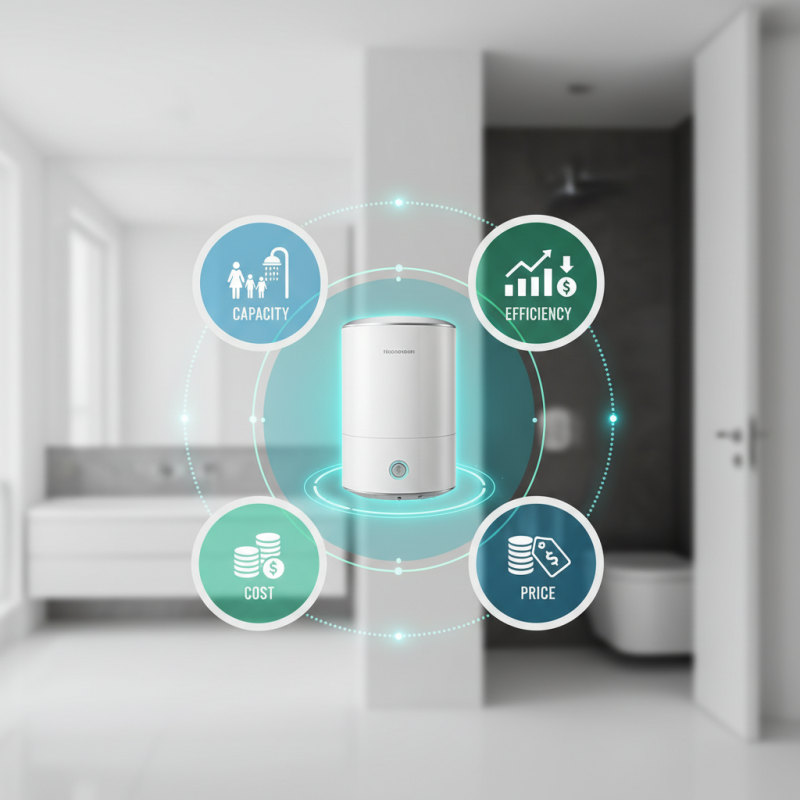
When selecting an electric water heater, consider capacity, efficiency, and cost. Industry data shows that efficient models can reduce energy bills by up to 20%. Look for models with high Energy Factor (EF) ratings. They often provide reliable performance and lower environmental impact. However, all these advantages come with varying price points.
Understand your family's hot water needs. Daily usage patterns affect the size and type of heater required. Many homeowners overlook this, leading to dissatisfaction. Ultimately, a well-informed decision minimizes future regrets. Investing time in research ensures you choose an electric water heater that suits your needs and saves energy long-term.
Understanding Electric Water Heater Types and Their Energy Efficiency Ratings
When selecting an electric water heater, understanding the types available and their energy efficiency ratings is crucial. Electric water heaters mainly fall into two categories: tank and tankless. Tank heaters store a specific volume of water and continuously maintain its temperature. Tankless models heat water on demand. This significantly reduces energy waste, making them a popular choice for many households.
Energy efficiency ratings are vital in determining long-term savings. Look for models with high Energy Factor (EF) ratings. A higher EF indicates better efficiency and lower energy consumption. However, it's essential to consider your home’s hot water needs. Some might find tankless units can run out of hot water during peak times, leading to frustration. Conversely, tank heaters may consume more energy over time due to standby heat loss.
Choosing the right unit also involves assessing your local energy costs and your average hot water usage. While larger families may benefit from a tank heater, individuals or couples might find tankless options more convenient. Each choice carries implications for energy efficiency and utility bills, requiring careful thought. Balancing capacity and efficiency with your lifestyle is key to finding a suitable solution.
How to Choose the Right Electric Water Heater for Your Home?
| Water Heater Type | Energy Efficiency Rating | First Hour Rating (FHR) | Average Lifespan (Years) |
| Standard Electric Water Heater | EF 0.80 - 0.95 | 50 - 100 gallons | 10 - 15 |
| Heat Pump Water Heater | EF 2.0 - 3.0 | 50 - 70 gallons | 15 - 20 |
| Tankless Electric Water Heater | EF 0.90 - 0.99 | Up to 5 gallons per minute | 20+ |
| Solar Water Heater | EF 1.5 - 2.0 | Varies with solar availability | 20+ |
Determining the Right Capacity for Your Household Water Heating Needs
When selecting an electric water heater, capacity is crucial. Assess your household's hot water needs. A small family may require a heater with a capacity of 30-40 gallons. Larger families or homes with high demands might need 50-80 gallons.
Tips: To estimate your needs, consider simultaneous usage. Take a shower while running the dishwasher. This insight will help you choose the right size. If it feels overwhelming, consult with a plumbing professional. Their expertise can clarify your options.
Consider usage habits. A family with teenagers might use a lot of hot water. Keep track of when water is used most. It’s important to reflect on past usage and future needs. A heater that’s too small will cause inconvenience. On the other hand, a very large one may waste energy. Look for a balance that meets your needs without excess.
Tips: Energy efficiency ratings can guide you. A high-efficiency model can save money long term. Review energy costs over time, not just up-front expenses. Reflect on the long-term value rather than immediate savings. Making an informed choice benefits both your wallet and the environment.
Evaluating Installation Requirements and Space Considerations for Water Heaters
Choosing the right electric water heater involves understanding installation requirements and space needs. Many homes require specific configurations. The average home uses about 64 gallons of hot water daily, according to the U.S. Department of Energy. This figure impacts the type of heater you may need.
Space plays a critical role. Electric water heaters come in various sizes and tank capacities, ranging from 20 to 80 gallons. Small apartments or homes with limited space may benefit from tankless systems. These occupy less area and can provide hot water on demand. However, they often require a higher upfront investment.
Consider your home’s existing infrastructure. Ensure your electrical system can handle the heater’s demands. Many units require dedicated circuits. According to the North American Manufacturer's Association, improper installation can lead to issues, including inefficiency and safety hazards. Taking time to evaluate these factors is vital. It reduces the risk of future complications. Ultimately, balancing size, capacity, and power consumption helps in selecting the most suitable electric water heater for your home.
Comparing Running Costs: Electric vs. Gas Water Heaters in Average Homes
When choosing between electric and gas water heaters, running costs often play a significant role. According to a 2022 energy report from the U.S. Department of Energy, electric water heaters typically have lower upfront costs but can lead to higher energy expenses in the long run. This is particularly relevant for average households that consume a significant amount of hot water. On average, electric water heaters cost about $500 to $700 per year to operate, whereas gas heaters run approximately $300 to $600 annually.
The price of electricity varies widely across regions. In the U.S., the average residential rate is about $0.13 per kWh. However, if you are in an area where electricity rates soar, running an electric heater could become costly. While gas prices are also fluctuating, many homes find gas to be a more economical option for heating water, especially for larger families or those with high usage of hot water.
It's essential to consider the efficiency ratings of any water heater you plan to install. Gas heaters typically have a higher energy factor. This means they convert energy to hot water more effectively. However, the environmental impact of long-term gas use is a topic needing more discussion. Making an informed choice involves balancing upfront costs, running expenses, and environmental concerns. Always consult local utility data to evaluate costs relevant to your area.
Looking at Lifespan and Warranty Options for Long-term Reliability in Heaters
When choosing an electric water heater, considering lifespan and warranty options is crucial for reliability. Most heaters last around 10 to 15 years. This range depends on the model and maintenance. A longer lifespan often indicates higher quality. This can affect your long-term costs. Look for warranties that extend beyond a year, as they reflect the manufacturer's confidence in their product.
Tips: Always check the warranty details carefully. A solid warranty can protect you from unexpected repairs. Understanding what the warranty covers is vital. Some warranties only cover specific parts, while others might include labor costs.
High-quality heaters typically come with warranties of six to ten years. A shorter warranty might suggest lower quality components. It's wise to research common issues related to specific models. Online reviews can provide insight into user experiences. Remember, even a well-reviewed heater can have flaws. Look for patterns in customer feedback to inform your choice. Always weigh the benefits of a longer warranty against the initial cost. It’s about balancing performance with long-term value.