Why Choose the Right Packing Machine for Your Business Needs?
Choosing the right Packing machine is crucial for any business. It directly impacts efficiency and product presentation. A well-chosen packing machine can streamline operations, reduce waste, and enhance customer satisfaction. However, not every machine fits every need.
Firms often overlook factors like product size, shape, and packaging materials. Ignoring these can lead to poor packing solutions. The right packing machine should fit your unique requirements. It should also adapt to future growth and changes in product lines. Investing in the correct machine is not just about cost. It is about long-term benefits and reliability.
Researching and recognizing the unique features of different machines is essential. This understanding can lead to informed decisions. Balancing quality and affordability is key. Businesses must consider their specific context rather than blindly following trends. An effective packing machine can make a significant difference. Yet, evaluating options thoughtfully is always a challenge for many.
Understanding the Different Types of Packing Machines Available
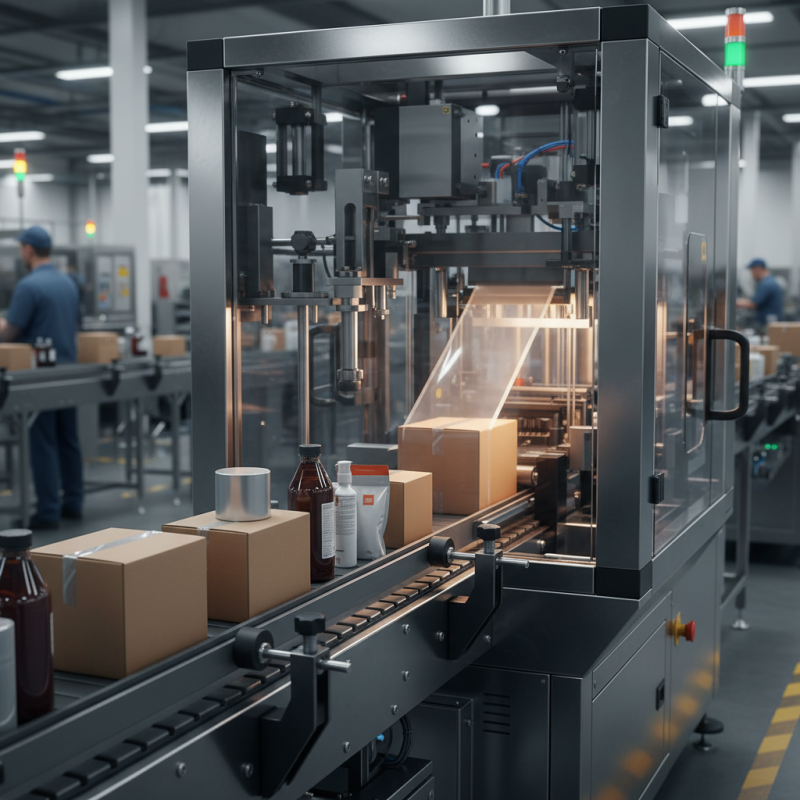
When considering a packing machine for your business, it's essential to understand the various types available. The market offers a range of packing machines tailored to specific needs. For instance, automated machines can enhance efficiency and reduce labor costs. According to a report by Smithers Pira, the global packaging machinery market is projected to grow to $45 billion by 2026. This growth highlights the increasing importance of efficient packing solutions.
Gravity fillers, vacuum packers, and form-fill-seal machines are among the most common types. Gravity fillers are ideal for liquids. They ensure accurate filling but may require manual adjustments. Vacuum packers provide airtight seals, extending product shelf life. However, they are not suitable for all types of products. Form-fill-seal machines merge multiple processes, but they can be complex and need regular maintenance.
Each machine has its advantages and disadvantages. A machine might excel in one area but falter in another. It's crucial to assess your specific product, desired output, and packing speed. Understanding your unique needs can guide you in selecting the right machine. In a competitive marketplace, investing in the right technology can make a significant difference.
Different Types of Packing Machines and Their Usage
Evaluating Your Business Needs and Packing Requirements
Choosing the right packing machine hinges on understanding your unique business needs and packing requirements. Different industries have varied demands based on product type, packaging size, and speed of production. A bakery needs different specifications than an electronics company. For instance, fragile items require delicate handling, while bulk products might favor speed over precision.
Evaluating your specific needs can feel overwhelming. What kind of products do you package? Are they perishable or non-perishable? Identifying these factors is crucial. Some businesses struggle with choosing versatile machines, leading to inefficiencies. A packing machine that cannot adjust to different sizes or products may fall short over time. Additionally, understanding your volume needs ensures you don’t invest in equipment that can’t keep up with demand.
It’s also essential to consider the long-term implications of your choice. A machine that meets your current needs may not suffice as your business grows. Reflecting on future requirements can prevent costly mistakes. Take time to analyze and research options. Solicit feedback from your team about the packing process. This collaboration can reveal insights that lead to better decision-making.
Key Features to Look for in a Packing Machine
When choosing a packing machine, consider several key features to ensure it meets your business needs. Efficiency is crucial. A machine that operates quickly can significantly boost your productivity. Look for models with adjustable speed settings. This way, you can adapt to different packing requirements without sacrificing quality.
Accuracy plays an essential role in packaging. Machines that feature sensors can minimize errors in filling and sealing. This reduces waste and enhances customer satisfaction. Consistency in packaging is vital for brand image. A reliable machine should deliver uniform outputs batch after batch.
User-friendliness is another factor to reflect on. A complex machine can lead to training challenges. Ensure the controls are intuitive and accessible. Maintenance requirements are also important. Machines that are easy to service save time and reduce downtime. Think about your future needs as well. If you're planning to expand, consider machines that can scale with your growth.
Cost Considerations for Investing in Packing Machinery
Investing in the right packing machinery is more than a simple purchase. It’s a strategic decision that impacts your bottom line. Cost considerations should be at the forefront of this process. When evaluating machinery, think about the initial investment, operational costs, and potential returns.
Initial costs can vary significantly. Some machines are more affordable upfront but may incur higher maintenance or energy costs over time. Others might require a larger investment initially but offer efficiency that reduces these ongoing costs. It's crucial to calculate these factors to understand the true cost.
Consider not just the price tag, but also the reliability of the machinery. A cheaper option may lead to frequent breakdowns. Frequent repairs can drain your budget, both in terms of money and time. It’s worth weighing these hidden costs against the claims of lower initial spending. Assess how each option aligns with your business needs and long-term goals. Making the right choice now can avoid costly mistakes later.
Long-Term Benefits of Choosing the Right Packing Equipment
Selecting the right packing equipment brings significant long-term benefits to your business. A well-chosen packing machine can enhance efficiency and streamline operations. This leads to reduced labor costs and increased output. Faster packaging processes also satisfy customer demands more effectively. Meeting delivery deadlines becomes manageable with reliable equipment.
Moreover, durability is crucial. High-quality packing machines withstand heavy usage over time. They require less maintenance, reducing downtime. Businesses often underestimate the cost of frequent repairs. Investing in robust machinery minimizes this risk. Employees appreciate reliable tools, leading to higher job satisfaction.
However, making the right choice is not always straightforward. Consider your product types and future needs. A machine that works well today may not meet tomorrow's demands. Planning ahead can prevent future headaches. Take time to analyze your options. This investment can yield significant rewards later.