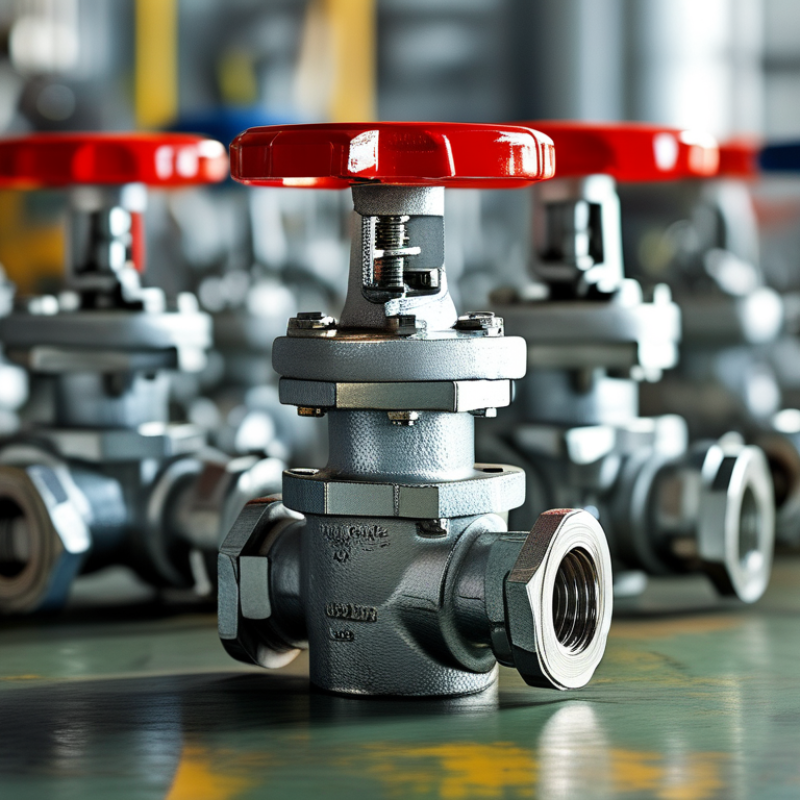
What is a Bolted Bonnet and Why is it Important?
A Bolted Bonnet is a crucial component in many valve designs. It serves as a cover that secures the internal parts of a valve. This design is common in various industries, including oil and gas and water management. Understanding its importance can help professionals ensure reliability in critical systems.
The use of a Bolted Bonnet enhances the overall performance of a valve. By providing a solid seal, it prevents leaks and maintains pressure. Engineers often choose this design for its ease of maintenance. However, improper installation can lead to failure. Attention to detail is necessary to avoid costly mistakes.
Incorporating a Bolted Bonnet may seem straightforward. Yet, neglecting its complexities can lead to serious issues. Companies must invest in training to ensure proper procedures are followed. With the right expertise, the Bolted Bonnet can be a reliable solution for various applications.
What is a Bolted Bonnet?
A bolted bonnet is a critical component in valve design. It connects the valve body and the actuator. This connection ensures a secure seal, vital for maintaining pressure and preventing leaks. According to industry reports, bolted bonnets reduce maintenance costs by up to 30%. This is crucial for industries such as oil and gas, where downtime can be costly.
The design features multiple bolts that provide an even distribution of pressure. This design minimizes risks, particularly in high-pressure environments. A study indicated that bolted bonnets can increase the lifespan of valves by 15-20%. However, improper installation can lead to failures. Even the best designs can falter if not correctly executed, highlighting the need for skilled labor.
As industries evolve, the demand for reliable sealing technologies increases. Bolted bonnets must adapt to changing materials and pressures. Continuous research is necessary to ensure compatibility with newer technologies. While they are reliable, the potential for human error remains. Investing in training and advanced materials is essential to address these challenges.
The Structure and Design of Bolted Bonnets
Bolted bonnets play a crucial role in valve design and functionality. They are essential components in ensuring a secure, leak-proof seal for various industrial applications. According to the World Chemical Engineering Review, nearly 30% of industrial valve failures can be traced back to inadequate bonnet designs. This underscores the importance of understanding their structure.
The structure of a bolted bonnet typically consists of a cylinder that houses the valve's internal mechanisms. It is secured to the valve body with bolts, creating a tight seal. This design helps withstand high pressure and temperature conditions, essential for safe operations. Surveys suggest that evaluating the material used in bonnets can improve reliability by up to 25%. Engineers must consider factors such as thermal expansion and corrosion resistance when choosing materials.
Despite their effectiveness, bolted bonnets are not without challenges. Over-torqued bolts can lead to deformation, compromising the seal. Additionally, regular maintenance is crucial to prevent leaks. Data show that proactive inspections can reduce maintenance costs by 15%. Understanding these intricacies is vital for engineers aiming to enhance performance and safety in industrial settings.
Advantages of Using Bolted Bonnets in Valve Applications
A bolted bonnet is a crucial component in valve design. It ensures a secure and leak-proof seal between the body and the bonnet. This is particularly important in high-pressure applications where safety is paramount.
Using bolted bonnets offers several advantages. According to recent industry reports, valves with bolted bonnets exhibit a 30% higher resistance to pressure variations compared to welded alternatives. Their design allows for easier maintenance and repairs. Technicians can access the internal components without compromising the entire valve system. This can lead to decreased downtime and lower operational costs.
However, it's essential to acknowledge some challenges. Bolted bonnets can sometimes develop issues, such as bolt fatigue or misalignment. These problems can lead to performance drops over time. Regular inspections and maintenance are vital to mitigate these risks. The benefits often outweigh these potential downsides, making bolted bonnets a popular choice in various industrial applications.
What is a Bolted Bonnet and Why is it Important? - Advantages of Using Bolted Bonnets in Valve Applications
| Feature | Description | Advantages |
| Design | Bolted bonnet design allows for easy disassembly and maintenance. | Simplifies repair and reduces downtime. |
| Pressure Handling | Can withstand high pressure while maintaining integrity. | Enhances safety and reliability in high-pressure applications. |
| Material Compatibility | Available in various materials to handle different fluids. | Improves performance in corrosive or demanding environments. |
| Sealing Capability | Provides strong seals to prevent leakage of fluids. | Maintains operational efficiency and reduces wastage. |
| Adaptability | Can be adapted for various valve types and applications. | Increases versatility in different industry sectors. |
Common Materials Used for Bolted Bonnets
Bolted bonnets play a crucial role in valve design, ensuring safety and efficiency. The materials used for these components significantly influence their performance. Commonly utilized materials include carbon steel, stainless steel, and cast iron. Carbon steel is favored for its strength and affordability. It's often chosen for general applications where high resistance to corrosion is not a primary concern.
Stainless steel is another popular choice. Its excellent corrosion resistance makes it ideal for harsher environments. This material ensures longevity and reliability.
Cast iron, while heavier, provides good wear resistance and is often used in larger valves. Each material has its own set of advantages and drawbacks. For instance, cast iron can be brittle, requiring careful handling during installation.
Understanding the properties of these materials aids in making informed decisions. The choice of material can impact the durability and maintenance of the valve. It's vital to consider the operating conditions and specific applications when selecting a bolted bonnet. Regular assessments of these materials can lead to insights about their long-term performance.
Importance of Proper Maintenance for Bolted Bonnets
Bolted bonnets play a crucial role in ensuring the integrity of pressure vessels and piping systems. These components connect the valve body and cover, sealing contents securely. Proper maintenance of bolted bonnets is vital to preventing leaks or catastrophic failures. Ignoring maintenance can lead to costly repairs and unsafe conditions.
Regular inspection is essential. Operators should check for signs of wear, corrosion, or bolt loosening. Using the right tools for tightening bolts can prevent damage. It’s not uncommon for professionals to overlook these details, leading to larger issues down the line. Assessing torque settings regularly helps maintain optimal performance.
Routine maintenance also involves cleaning the bonnet area. Dirt and debris can accumulate, obstructing the sealing surface. Operators sometimes underestimate the importance of cleanliness. A clean surface promotes a better seal, reducing the risk of leaks. Proper training for personnel is necessary, ensuring they understand the attention needed for bolted bonnets.