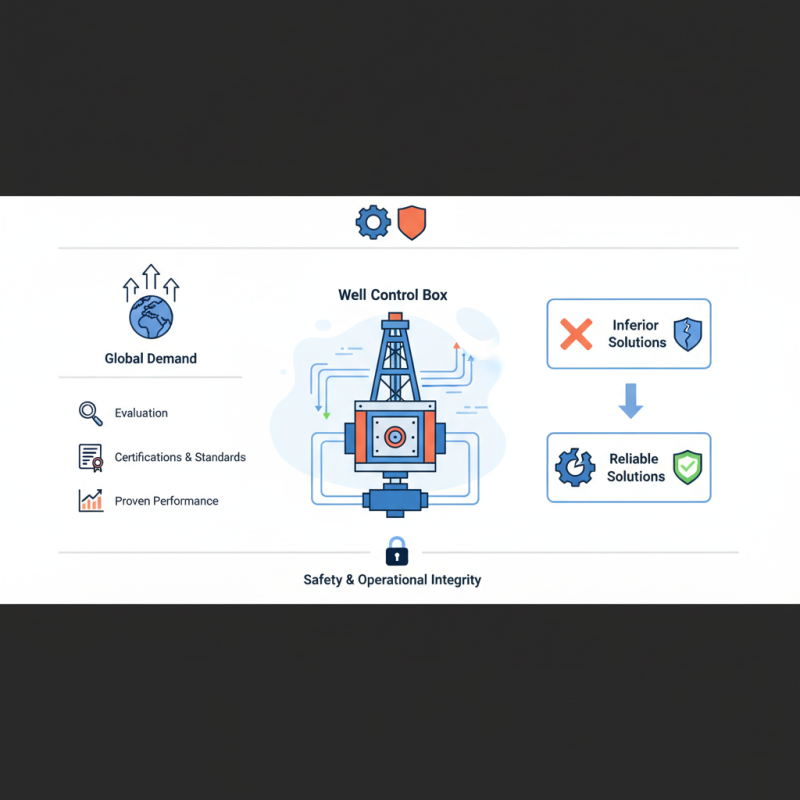
Best Well Control Box Solutions for Global Buyers?
In the dynamic world of drilling, effective safety measures are paramount. The Well Control Box has emerged as a critical tool for ensuring the integrity of operations. This essential device provides operators with the ability to manage and control pressure during drilling activities, reducing risks significantly.
Global buyers are increasingly seeking reliable Well Control Box solutions. It's crucial to choose products that adhere to international standards and proven performance. Being knowledgeable about different models and their features can make a significant difference in ensuring optimal safety.
However, not all solutions are equal. Some may lack essential certifications or have performance limitations. Thus, buyers must carefully evaluate suppliers and their offerings. This decision can determine the success of well operations and uphold safety standards in the industry.
Overview of Well Control Box Solutions in Global Markets
When exploring well control box solutions in global markets, there are a variety of factors to consider. The rise in drilling activities has led to a demand for reliable well control systems. Each solution must efficiently monitor pressure and flow to ensure safety and operational efficiency on site. Buyers should thoroughly assess the features and benefits of each option available.
One important aspect is the technology used in these systems. Advanced sensors and real-time data analytics play a crucial role in enhancing performance and reliability. Many solutions offer user-friendly interfaces. This makes it easier for operators to respond to changing conditions swiftly. Yet, some systems may not integrate well with existing platforms. This can lead to challenges when trying to implement new technologies.
Tips: Always evaluate customer reviews and user experiences. Speak to industry experts for insights. Conducting a thorough compatibility check before purchasing is essential. Keep in mind that not all solutions will suit every operation. Be prepared for trials and adjustments to find the best fit. The quest for the ideal well control box solution can often reveal unexpected hurdles. But overcoming them is part of the learning process.
Key Features and Specifications of Well Control Boxes
Well control boxes are essential in the oil and gas industry. They offer crucial safety measures during drilling operations. Buyers need to know key features and specifications. A well-designed box ensures reliability and efficiency.
One important feature is the robust construction. Materials should withstand harsh conditions. Additionally, a good control box must have user-friendly interfaces. Clear displays and intuitive controls enhance operator efficiency. Regular maintenance is often overlooked. Without it, functionality may decline over time.
Another specification to consider is the integration of advanced technology. Automated systems can improve response times in emergencies. Wireless communication options also enhance safety. However, buyers should evaluate compatibility with existing systems. Not every box fits seamlessly into every operation. Thoughtful consideration can prevent costly mistakes.
Best Well Control Box Solutions - Key Features Comparison
Comparative Analysis of Top Brands and Models
When choosing well control boxes, the market offers a range of options. A comparative analysis reveals significant differences in quality, features, and performance. A recent industry report highlights that 32% of companies faced challenges due to unreliable systems. Trending solutions focus on reliability and responsiveness.
Moreover, data indicates that over 40% of users prioritize ease of integration with existing systems. Many solutions include real-time monitoring features. This capability enhances operational safety and decision-making on site. As per recent surveys, 67% of industry professionals agree that training on these systems is vital for effective implementation.
**Tip:** Prioritize brands that offer robust customer support. Unclear manuals can lead to confusion. Additionally, consider field-tested models. These often come with peer recommendations and case studies.
In examining various models, be cautious about overpromising features. Not every solution delivers on expectations. User feedback suggests that ongoing maintenance is often overlooked. Systems must be compatible with your operations to function optimally. Reliability in field conditions cannot be compromised.
Factors Influencing Buyer Decisions for Well Control Boxes
When considering well control box solutions, several key factors influence buyer decisions. Safety stands at the forefront. A report from the International Association of Drilling Contractors (IADC) indicates that nearly 60% of drillers prioritize safety features in their purchasing decisions. This focus reflects ongoing concerns over incidents and best practices in the field.
Cost-effectiveness is another critical consideration. According to a recent study by Offshore Technology Research, around 45% of buyers evaluate total lifetime costs when choosing equipment. This includes maintenance, operational efficiency, and initial investment. Thus, the perceived value extends beyond just the upfront price.
Buyers also consider vendor expertise and support. A survey by the American Petroleum Institute (API) reveals that over 50% of purchasers value technical support and training. This expectation stems from the need for effective operation in high-pressure environments. Industry users want assurance that suppliers offer robust training programs and ongoing assistance. Reflecting on these factors can help both buyers and suppliers build a more effective relationship in a complex industry.
Best Well Control Box Solutions for Global Buyers
| Feature | Importance Level (1-5) | Trend Impact | Sourcing Preference | Cost Range (USD) |
| Durability | 5 | High | Local Manufacturers | 800-1000 |
| Automation Features | 4 | Medium | International Suppliers | 1200-1500 |
| Technical Support | 5 | High | Domestic Suppliers | 500-800 |
| Compliance Standards | 5 | High | Local Manufacturers | 1000-1300 |
| Portability | 3 | Medium | Regional Suppliers | 600-900 |
Future Trends in Well Control Technology and Market Demand
As the demand for well control technology grows, several trends are emerging. One notable trend is the shift towards automation in drilling operations. This approach not only enhances safety but also improves efficiency. Many companies are investing in automated well control systems that can predict and respond to potential failures in real time. These systems rely on advanced algorithms and machine learning to analyze data continuously.
Another important trend is the increasing integration of IoT devices in well control solutions. Sensors and connected devices provide crucial data about pressure, temperature, and fluid dynamics. They help operators monitor conditions more accurately. This integration allows for proactive decision-making, potentially preventing hazardous situations. However, the reliance on technology introduces challenges related to data security and system reliability.
Market demand is also shifting due to environmental concerns. Companies are seeking more sustainable practices. This includes using technology to minimize spills and reduce emissions. While striving for greener solutions, there is a fine balance between innovation and environmental impact. The industry's focus on sustainability reflects a commitment to future generations, yet it requires a careful examination of methods. Balancing efficiency with environmental stewardship is a challenge that the industry continues to face.