Best Water Pump Casing Types for Optimal Performance?
When considering optimal performance in water pump systems, understanding water pump casing types is essential. The casing protects internal components and ensures effective fluid movement. Its design directly impacts efficiency, durability, and maintenance requirements.
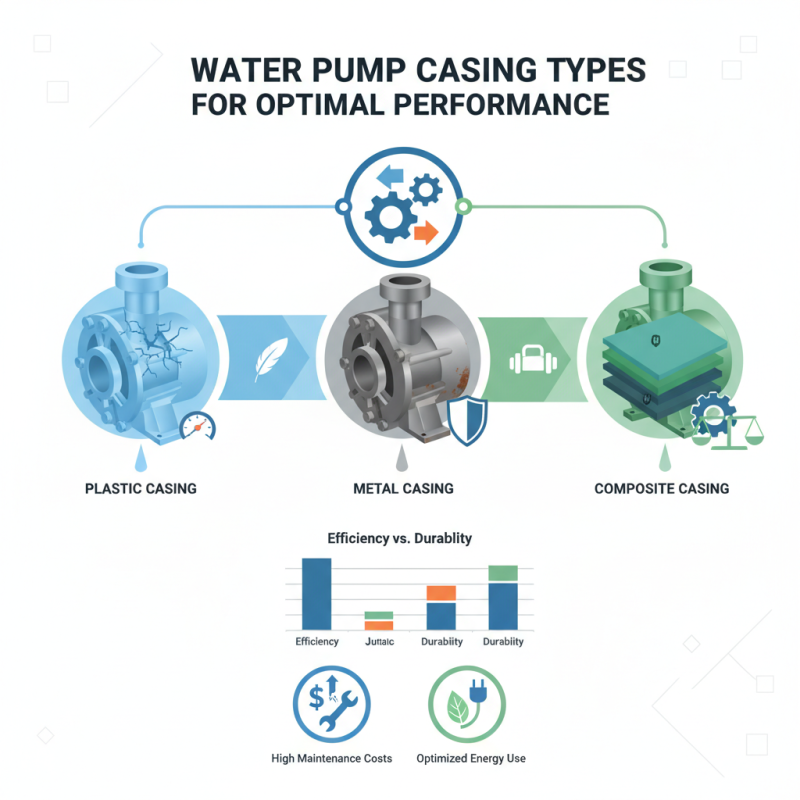
Selecting the right water pump casing can be challenging. Options range from plastic to metal constructs, each offering unique benefits and drawbacks. For instance, plastic casings are lightweight but may lack durability under high pressure. Conversely, metal casings provide strength but can be heavy and prone to corrosion.
Proper choice not only improves performance but also optimizes energy use. A subpar casing can lead to frequent repairs and increased costs. In the quest for efficiency, users must weigh these factors carefully. Understanding the implications of water pump casing types invites deeper reflection on long-term choices.
Types of Water Pump Casings and Their Functions
Water pump casings play a crucial role in their overall efficiency. Understanding different types can enhance performance and durability. Common casings include closed, open, and semi-open designs. Each serves a unique purpose and affects how the pump operates.
Closed casings are ideal for high-pressure applications. Their design reduces turbulence, promoting smooth fluid flow. In contrast, open casings allow for easier access to components. This can be beneficial for maintenance tasks. However, they may be less efficient in preventing leaks and cavitation.
Choosing the right casing type requires a thoughtful approach. Consider factors like fluid type and operating conditions. Ignoring these can lead to performance issues. Regular checks for wear and tear can also improve lifespan. Each casing has its pros and cons, making it essential to reflect on your specific needs.
Factors Influencing Water Pump Casing Performance
The performance of water pump casings significantly impacts operational efficiency. Several key factors are at play. Material selection is crucial. For instance, stainless steel casings offer superior corrosion resistance but can increase costs. In contrast, plastic casings are lightweight and economical, but may lack durability over time. A report by the Hydraulic Institute noted that pumps with optimized casing materials can perform 15% better than those using standard materials.
Another influencing factor is the design of the casing. Proper hydraulic design minimizes turbulence and friction. Better design can enhance flow rates and reduce energy consumption. Research highlights that well-designed casings can result in efficiency gains of up to 20%. Maintenance requirements are also pivotal. Casings that are easier to inspect and service tend to have lower downtime. A poorly designed pump casing may lead to frequent failures, costing businesses both time and money.
Lastly, operating conditions cannot be overlooked. Temperature fluctuations and varying fluid dynamics affect how a casing performs. Casings must be rated for specific environments. If not, performance can diminish quickly. Knowledge of these influencing factors helps in making informed decisions for water pump casing selection.
Best Water Pump Casing Types for Optimal Performance
| Casing Type | Material | Temperature Range (°C) | Corrosion Resistance | Weight (kg) |
| Centrifugal Pump Casing | Cast Iron | -10 to 120 | Moderate | 15 |
| Submersible Pump Casing | Stainless Steel | -30 to 100 | High | 12 |
| Self-Priming Pump Casing | Aluminum | 0 to 80 | Low | 10 |
| Diaphragm Pump Casing | Polypropylene | -20 to 90 | Very High | 8 |
Material Comparisons for Water Pump Casings
Choosing the right material for water pump casings is crucial for optimal performance. Common options include cast iron, stainless steel, and plastic. According to industry reports, cast iron is durable and can withstand high pressure but is heavy. It also tends to corrode over time, which can affect longevity. In contrast, stainless steel offers superior resistance to corrosion. However, its initial cost can discourage some manufacturers.
Plastic casings are lightweight and resistant to corrosion. They are often used in residential applications where weight matters. However, they may not hold up as well in high-pressure situations. A comparison from a 2022 manufacturing study revealed that steel casings may last 20% longer than plastic under identical conditions. Some manufacturers still opt for cheaper materials, risking lower performance and higher maintenance costs.
Design flaws can cause vibration and noise in poorly made casings. This is an often-overlooked factor in performance. The choice of material impacts more than durability; it influences energy efficiency and overall operation costs. Decisions should be based on specific needs while considering the potential trade-offs between performance and cost.
Design Considerations for Efficient Water Pump Casings
When considering water pump casings, design plays a critical role in ensuring efficiency. A well-designed casing helps with fluid dynamics. It minimizes turbulence, allowing the pump to operate smoothly. The material selection is equally important. It must withstand pressure and corrosion. Common choices include stainless steel and thermoplastics. Each has its pros and cons.
Shape is another vital factor. Round casings tend to distribute stress evenly. However, rectangular casings can fit in tighter spaces. Designers often struggle to find the right balance. Larger casings provide more room but might require more energy to operate. It’s essential to evaluate the specific application to avoid inefficiencies. Details like inlet diameter and outlet location can significantly impact performance.
Sound dampening features can be an overlooked aspect. They help reduce noise during operation, making pumps more user-friendly. However, adding soundproofing can increase production costs. Designers must weigh the benefits against the budget. Focusing on optimum performance means continuously revisiting design choices, even if it leads to imperfect solutions. The goal is to create a water pump casing that excels in both function and durability, adapting as requirements change over time.
Maintenance Practices for Optimal Water Pump Casing Lifespan
Maintaining a water pump casing is essential for its longevity and efficiency. Research indicates that regular inspections can extend the lifespan of pump casings by up to 30%. Many operators overlook this factor. Ignoring small cracks could lead to significant failures later.
Cleaning the casing regularly helps prevent corrosion. Accumulation of dirt and debris can impede performance. A study showed that 40% of pump failures are due to inadequate maintenance practices. It’s crucial to monitor the seals and gaskets. These components wear out faster than expected. Replacement should not be neglected, as they can cause leaks and increase energy costs.
Documentation of maintenance activities is vital. Many operators fail to keep track. Without proper records, identifying recurring issues becomes challenging. A proactive approach is better than reactive repairs. Invest time in training staff on best practices. Routine checks and a focused maintenance strategy can make a big difference in performance.