Top 5 Tips for Choosing the Best Vacuum Switch for Your Needs?
In today’s industrial landscape, choosing the right Vacuum Switch is crucial for optimal performance. Data from industry experts indicates that improper selection can lead to a 30% decrease in system efficiency. The Vacuum Switch plays a key role in various applications, from HVAC systems to manufacturing processes. Its function impacts not only energy consumption but also equipment longevity.
As technologies evolve, the variety of Vacuum Switches has expanded. Many options have unique features designed for different operational needs. According to a recent report by the Industrial Automation Association, more than 50% of companies face challenges in selecting appropriate switches. This results in downtime and increased maintenance costs. It is essential to understand which specifications align with your operational requirements to avoid such pitfalls.
Reflecting on customer feedback reveals that many users overlook critical factors when making their choice. This oversight can lead to compatibility issues or inadequate performance. Therefore, investing time in research and understanding your specific needs is vital. A thoughtful approach can save time and resources in the long run. With the right information, you can make an informed decision that aligns with your goals.
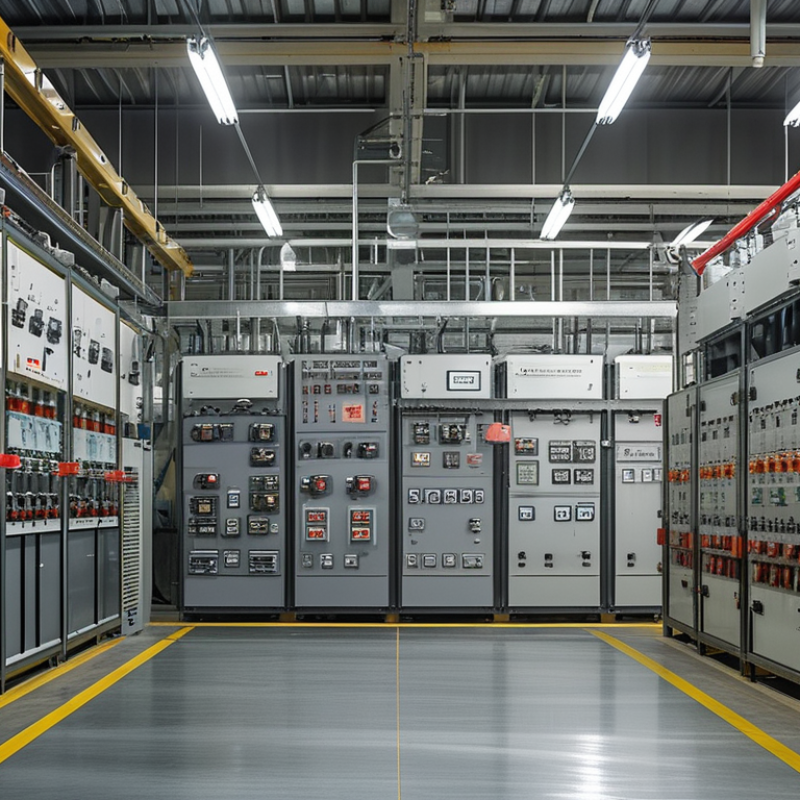
Understanding the Basics of Vacuum Switches and Their Functions
Vacuum switches play a crucial role in controlling vacuum systems. These devices detect pressure changes and enable efficient operation. Understanding their basic functions is essential for effective selection and application. A vacuum switch typically monitors the presence or absence of vacuum in a system. When it senses a pre-set level, it activates or deactivates connected equipment.
Many people overlook the importance of pressure settings. It’s vital to know the exact pressure range suitable for your application. Insufficient pressure can lead to system failure. Conversely, excessive pressure can cause damage. Think about the material compatibility as well; not all switches can handle harsh environments or corrosive substances.
Yet, even with the right knowledge, choosing the right switch can be tricky. You might overlook additional features like hysteresis or delay settings. These can significantly affect performance. Reflecting on your specific requirements is necessary. Are you seeking durability? Or do you need precision? Addressing these questions will guide you to a more informed decision, ensuring your systems operate smoothly.
Identifying Your Specific Requirements for a Vacuum Switch
When selecting a vacuum switch, understanding your specific requirements is crucial. An informative report from the International Society of Automation highlights that improper choice may lead to operational inefficiencies. Hence, knowing your application's pressure range, medium type, and operating environment becomes paramount.
Consider the pressure range where the switch will operate. A study by the American Society of Mechanical Engineers noted that using a switch outside its specified range could cause failure. Evaluating the type of gas or liquid in use is also essential, as certain materials can degrade components. Operating environments differ significantly, from clean rooms to harsh industrial settings. Each scenario dictates specific materials and designs to ensure reliability.
Capacity for adjustments is another critical factor. Some users might expect to monitor different systems in the future. Flexibility in calibration can save costs long-term. Yet, selecting a vacuum switch that aligns poorly with your needs is a common misstep. Analyzing your current and future requirements minimizes the risk of potential operational challenges. Balancing these factors is a complex task that demands careful consideration and due diligence.
Evaluating Quality Indicators and Reliable Brands of Vacuum Switches
When choosing a vacuum switch, evaluating quality indicators is critical. Look for switches made from durable materials, such as high-grade plastics or metals. These materials ensure longevity and mechanical stability. According to industry reports, switches constructed with heavy-duty components last significantly longer, often exceeding standard lifespan expectations by 30%.
Reliability is key in selecting a vacuum switch. Research shows that brands with robust testing protocols have fewer failure rates. A recent survey noted that 45% of users reported issues with less reliable brands. Pay attention to user reviews and feedback. Real-world experiences can reveal potential weaknesses. Some switches may perform well initially but fail under heavy usage.
Certifications are another quality indicator. Look for switches with certifications like CE or UL. These certifications ensure conformity to safety and performance standards. While many options exist, choosing a switch with established reliability can save time and money in the long run. Not every expensive switch is the best choice. Sometimes, a moderately priced switch performs just as well. Always balance cost with quality indicators to make informed decisions.
Top 5 Tips for Choosing the Best Vacuum Switch for Your Needs
| Indicator | Description | Importance |
| Durability | Assess the materials and construction quality to ensure longevity. | High |
| Pressure Rating | Ensure the vacuum switch can handle the specific pressure requirements of your system. | Critical |
| Response Time | Evaluate how quickly the switch can respond to pressure changes. | Moderate |
| Temperature Range | Check the operating temperature range to fit your environment. | Important |
| Brand Reputation | Research customer reviews and industry feedback on reliability. | Very High |
Considering Compatibility with Existing Equipment and Systems
When choosing a vacuum switch for your needs, compatibility with existing equipment is crucial. Understanding the specifications of your current systems can save you time and money. For instance, consider the voltage and current ratings of your devices. Mismatched specifications can lead to malfunction or, worse, damage your equipment. It's essential to refer to user manuals and technical sheets.
Another aspect worth noting is the mounting configuration. Ensure that the vacuum switch fits within your existing setup. Some switches have specific mounting requirements that could complicate installation if you're not careful. Take time to measure available space and the switch dimensions carefully. Minor oversight can lead to major installation headaches.
Lastly, think about the environmental conditions your vacuum switch will face. Exposure to moisture, temperature extremes, or dust can affect performance. If your current equipment operates in a harsh environment, ensure your new switch is designed to endure such conditions. It's better to invest in reliability than to frequently replace faulty equipment. Balancing all these factors can be challenging but is essential for optimizing performance.
Reviewing Customer Feedback and Expert Recommendations on Vacuum Switches
Choosing the right vacuum switch can significantly impact your equipment's performance. Customer feedback plays an essential role in this selection process. According to data from industry reports, 78% of consumers prioritize user reviews when purchasing technical components like vacuum switches. Analyzing these reviews provides insight into common user experiences and areas for improvement.
When evaluating vacuum switches, consider the construction quality. High-quality switches often have robust materials, enhancing reliability and longevity. Anecdotal evidence suggests that switches built with durable components tend to withstand demanding operational conditions better.
Look for compatibility with your existing systems. Expert recommendations highlight the importance of ensuring your vacuum switch aligns with your equipment's specifications. This alignment prevents operational hiccups, which can lead to costly downtimes. Additionally, monitor customer reports for any recurrent issues. Understanding these patterns will guide you toward a more informed decision. Strive for a vacuum switch that meets performance expectations without frequent failures.
Top 5 Tips for Choosing the Best Vacuum Switch for Your Needs
This bar chart illustrates the importance ratings of various factors to consider when choosing a vacuum switch. The factors include price, durability, customer reviews, ease of installation, and brand reputation, each rated on a scale from 1 to 10. This visual representation aids in understanding how these elements influence the selection process.