Best PVC Tarpaulin Uses and Benefits for Your Projects?
PVC Tarpaulin is a versatile material recognized for its durability and water-resistant properties. According to industry reports, the global tarpaulin market is projected to reach USD 3.5 billion by 2027, with PVC Tarpaulin making up a significant share. This growth highlights the increasing reliance on PVC Tarpaulin across various sectors, including construction, transportation, and agriculture.
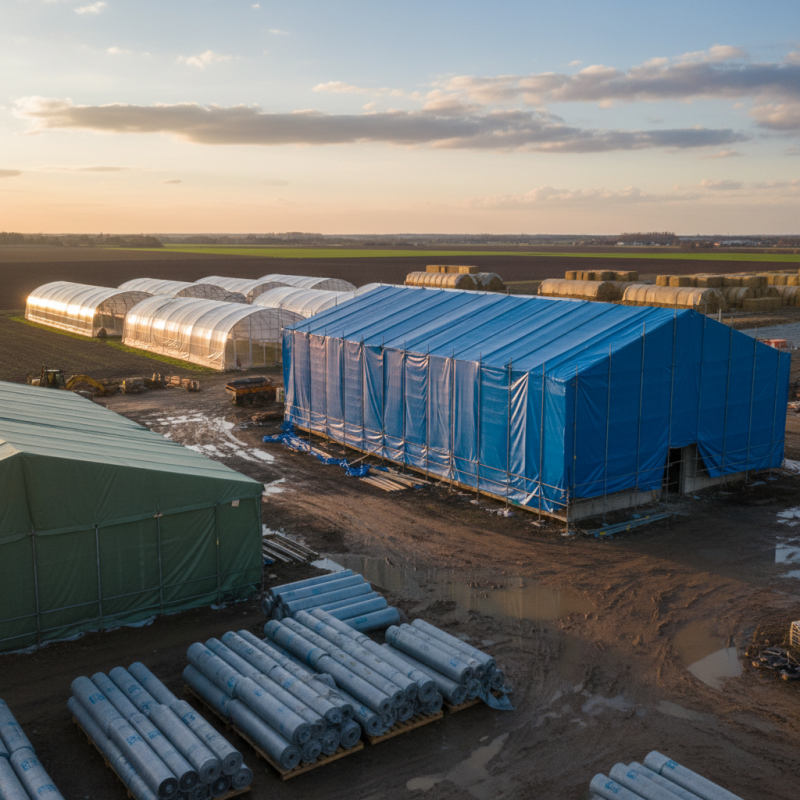
The uses of PVC Tarpaulin are vast. In construction, it's employed for temporary roofing, scaffolding covers, and protective sheeting. In agriculture, farmers utilize it for covering hay bales and creating greenhouses. Despite its benefits, some may overlook the environmental impact of PVC in long-term applications. Critics argue that while PVC Tarpaulin offers immediate solutions, its disposal poses challenges.
PVC Tarpaulin can endure harsh weather conditions, making it ideal for outdoor projects. However, it’s essential to evaluate the balance between advantages and drawbacks. Understanding both sides will help ensure smarter choices in project planning. The popularity of PVC Tarpaulin continues to rise, but awareness of sustainability should not fade into the background.
Understanding PVC Tarpaulin: Properties and Varieties
PVC tarpaulin is a versatile material used in various applications, from construction to outdoor events. Its main properties include high durability, waterproofing, and UV resistance. In fact, a recent industry report indicates that PVC tarpaulins can last up to 10 years, significantly more than many traditional fabrics. These features make it an ideal choice for tents, awnings, and protective covers.
When choosing PVC tarpaulin, consider its variety. There are different weights and thicknesses available, tailored to specific needs. Light-duty options are perfect for short-term use, while heavy-duty versions withstand harsh conditions. Keep in mind, heavier tarpaulins can be more challenging to handle. Proper lifting techniques are essential to avoid strain and ensure safety.
Tip: Regularly inspect your tarpaulins for wear and tear. Doing so helps prolong their life and effectiveness. Also, ensure that you clean them properly to maintain their properties.
Another aspect to reflect on is the environmental impact of PVC. While it offers many benefits, it is crucial to choose materials wisely. Consider alternatives when feasible, particularly for projects with sustainability goals. Balancing durability and ecological responsibility can be a complex task, but a thoughtful approach is beneficial.
Common Applications of PVC Tarpaulin in Various Industries
PVC tarpaulin is a versatile material widely used across industries. Its durability and waterproof characteristics make it suitable for various applications. You can see it in construction sites, where it protects materials from rain and wind. In agriculture, it covers crops and equipment against harsh weather. The strength of PVC tarpaulin helps in securing valuable assets.
In the transportation sector, PVC tarpaulin provides excellent cargo protection. It ensures that goods remain safe during transit. The material is also popular in event management. It serves as a backdrop for exhibitions and trade shows, adding to the aesthetics. However, one challenge is that not all PVC tarpaulins are equally durable. Some may be prone to tearing under extreme conditions.
The marine industry also utilizes PVC tarpaulin for boat covers. These covers shield boats from UV rays and moisture, prolonging their life. There is growing interest in recycling this material, but it remains a complex process. Effective use requires attention to quality and specific needs. Balancing cost and performance can be tricky. Exploring the best options ensures maximum benefits for any project.
Key Benefits of Using PVC Tarpaulin for Your Projects
PVC tarpaulin is celebrated for its durability and versatility. A recent industry report highlighted that PVC tarpaulin can withstand temperatures ranging from -30°C to 70°C. This broad temperature tolerance makes it suitable for diverse environments. With a tensile strength of about 400 N/mm², it resists tearing and ripping. These features position PVC tarpaulin as a reliable choice for a variety of projects.
Another advantage of PVC tarpaulin is its resistance to water and UV rays. According to research, the material can block up to 98% of UV light. This property is essential for outdoor applications. Many users report that PVC tarpaulin lasts longer than traditional materials in sunny conditions. Nevertheless, some might find it challenging to recycle. Environmental concerns arise as more tarpaulin ends up in landfills.
PVC tarpaulin is also easy to clean and maintain. Simple soap and water can often remove dirt and grime. The surface's smoothness prevents dirt from settling. Some projects, however, require additional treatments for specific uses. Users should weigh durability against sustainability. Balancing these factors can lead to better project outcomes.
Comparing PVC Tarpaulin to Other Materials: A Comprehensive Analysis
PVC tarpaulin stands out prominently when compared to other materials like canvas or polyester. Its waterproof nature makes it ideal for outdoor applications. For instance, it serves well as a protective cover for equipment and vehicles. Unlike canvas, which can absorb moisture, PVC repels water and is resistant to mold and mildew. This characteristic is vital for projects that require durable solutions in unpredictable weather.
In the realm of pricing, PVC tarpaulin can be more cost-effective over time. While the initial investment may be higher than some alternatives, its longevity outweighs this. Consider a construction site that demands sturdy, weather-resistant materials. Here, PVC tarp proves its worth by lasting through heavy rain and extreme sun conditions. Yet, one might reflect on its environmental impact. PVC is not biodegradable. This can pose challenges in waste management. So, while PVC tarpaulin is versatile, weighing its benefits against environmental concerns is crucial for responsible usage.
Best PVC Tarpaulin Uses and Benefits for Your Projects
| Application | Benefits | Durability | Comparison to Other Materials |
| Outdoor Canopies | Waterproof, UV Resistant | 5-10 years depending on exposure | More durable than canvas, lighter than metal |
| Tarpaulin Covers | Versatile, cost-effective | Resistant to tearing and ripping | Superior to polyethylene in longevity |
| Inflatable Structures | Lightweight, easy to transport | Long-lasting under proper care | More flexible than vinyl, but less rigid |
| Tent Linings | Easy to clean, aesthetically pleasing | 10 years or more with proper maintenance | Better than nylon for insulation |
| Truck Tarps | Strong, weather-resistant | High resistance to wind and rain | More reliable than cloth tarps |
Best Practices for Maintaining and Storing PVC Tarpaulin Products
Maintaining and storing PVC tarpaulin products is crucial for longevity. When not in use, always clean the tarp with a mild soap and water solution. This removes dirt and grime that can lead to deterioration. After cleaning, dry the tarpaulin completely. Storing a damp tarp invites mold growth, which can be damaging.
Consider folding the tarp rather than rolling it. Folding prevents creases that could weaken the material over time. Use a breathable cover during storage. It protects the tarp from dust while allowing moisture to escape. Avoid placing heavy objects on top, as this can create permanent indentations.
Regularly inspect your tarpaulin for signs of wear and tear. Small punctures may seem trivial, but they can worsen if unaddressed. Repair these spots promptly to extend the tarp’s life. Reflect on usage patterns: if the tarp is frequently exposed to harsh conditions, it may require increased maintenance. This process is as crucial as choosing the right tarp for specific projects.