What Are the Best Shale Shaker Screens for Drilling?
In the drilling industry, selecting the best shale shaker screens is crucial for effective operations. Shale shaker screens separate drill cuttings from the drilling fluid, ensuring a clean and efficient process. According to the Energy Information Administration, improper screen selection can lead to increased drilling costs, making this choice vital.
John Smith, a shale shaker screen expert at Drilling Solutions Inc., emphasizes, "The right screen can significantly improve fluid recovery." Despite the availability of various options, many companies overlook the importance of matching screen specifications to their drilling conditions. This oversight can lead to suboptimal performance and higher expenses.
Each shale shaker screen has unique features tailored for specific types of drilling. However, finding the perfect match requires careful analysis of well conditions. Additionally, the industry is evolving, and innovations continue to emerge. As many operators focus on cost-cutting, the temptation to compromise on screen quality can lead to long-term issues. In this competitive landscape, making informed choices about shale shaker screens is ever more critical.
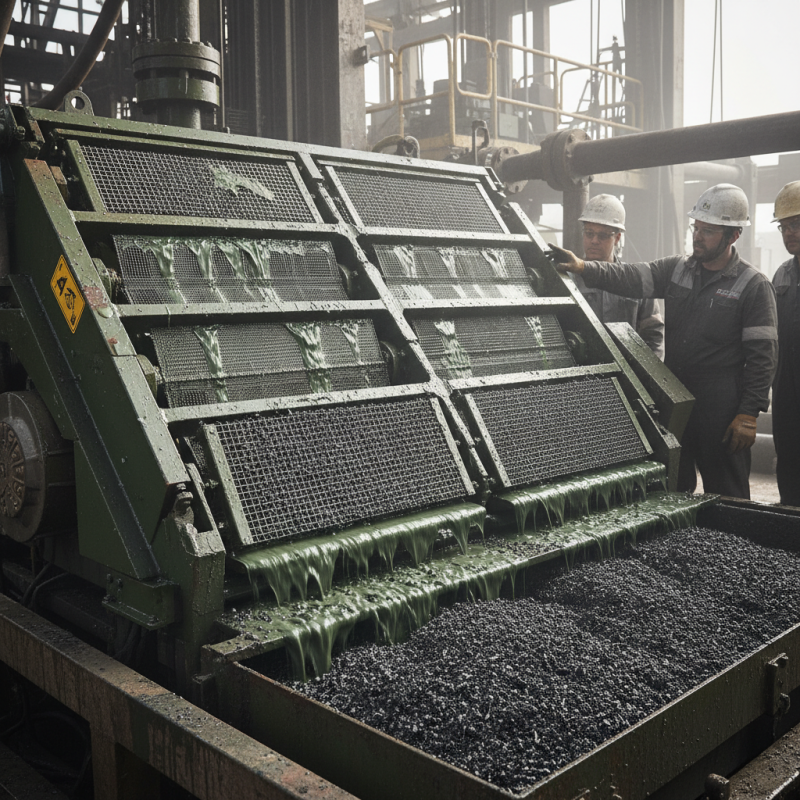
Types of Shale Shaker Screens Used in the Drilling Industry
Shale shaker screens are crucial for effective drilling operations. They help separate solids from drilling fluids. Various types cater to different drilling conditions. One popular option is the flat screen. It features a flat surface and offers good performance in most scenarios. However, it can struggle with high solid content.
Another type is the composite screen. This option blends durability with flexibility. It's effective for varied applications but can be more expensive. There are also PIN screens, which are known for their high reliability. They can withstand intense conditions, but maintenance may be more involved.
Operators must carefully choose the right screen type. Each type has its strengths and weaknesses. Improper selection can lead to costly downtime. Reflection on past experiences can guide better choices in the future. Understanding specific operational needs is vital for optimizing performance. Drilling teams must stay updated with technology and industry trends.
Key Factors Influencing the Selection of Shale Shaker Screens
When selecting shale shaker screens, several key factors come into play. The mesh size of the screen is crucial. It determines the effectiveness of separating drill cuttings from the drilling fluid. A finer mesh may capture smaller particles but can also lead to increased pressure and a slower flow rate. Conversely, a coarser mesh allows for a faster flow but might miss smaller cuttings. This balance is vital for optimal drilling performance.
Another important factor is the material of the screens. Common materials include stainless steel and composite materials. Each material offers different durability and performance levels under extreme conditions. Screens need to withstand abrasive particles and harsh drilling fluids. Selecting the wrong material can lead to rapid wear and increased costs due to frequent replacements.
Additionally, the configuration of the screens can impact their efficiency. Different designs, such as flat or pyramidal, can influence how effectively they work in various drilling environments. Testing different configurations may yield insights, but it often involves trial and error. This aspect can be overlooked, resulting in less-than-optimal screen performance. Understanding these factors is essential for effective drilling operations.
Performance Metrics for Evaluating Shale Shaker Screen Effectiveness
When evaluating shale shaker screens, several performance metrics come into play. One major factor is the mesh size. The mesh determines how effectively solids are separated from drilling fluid. A finer mesh can capture smaller particles, but it may also slow the flow rate. This trade-off must be carefully considered for optimal performance.
Another crucial metric is the screen's durability. Shale shaker screens endure harsh conditions on drilling sites. They face abrasive materials and fluctuating temperatures, which can lead to wear and tear. Regular inspection is necessary to identify any early signs of damage. It’s essential to strike a balance between screen lifespan and filtration efficiency.
Lastly, the screen's flow capacity is vital. This refers to how much fluid can pass through in a given time. A high flow capacity minimizes downtime but may compromise the ability to remove unwanted solids. Frequent adjustments may be required to find the best fit for specific drilling conditions. These considerations illustrate the complexity of selecting the right shale shaker screen for effective drilling operations.
Recent Innovations in Shale Shaker Screen Technology and Materials
Recent advancements in shale shaker screen technology have significantly influenced drilling efficiency. Modern screens now use composite materials, which enhance strength and durability. According to a 2022 industry report, composite screens can outperform traditional steel screens by up to 30% in terms of lifespan. This innovation helps reduce downtime due to screen replacement, making operations more cost-effective.
New developments also focus on optimizing screen mesh design. Engineers introduce different mesh sizes tailored for specific drilling conditions. For instance, finer meshes are effective in retaining smaller particles in high-viscosity mud. Conversely, coarser meshes can handle larger debris in faster operations. A study published last year indicates that tailored mesh designs improve solids control by 25%, leading to cleaner drilling fluids and extended equipment life.
However, implementing new technology poses challenges. Compatibility with existing shaker systems can be an issue. Some operators report mixed results when transitioning to innovative screens. Testing and evaluation periods can be lengthy, and sometimes costly. Additionally, not all new materials perform well under extreme conditions. Continuous refinement and feedback are crucial to address these gaps and enhance performance in real-world scenarios. Keeping pace with innovation requires ongoing investment and careful planning.
Cost-Benefit Analysis of High-Quality vs. Standard Shale Shaker Screens
When considering shale shaker screens for drilling, a key debate arises between high-quality and standard options. High-quality screens often provide better solids separation. They can improve well productivity, leading to lower costs in the long run. However, the initial expense for these screens is significantly higher. This can be a tough pill to swallow for many operators.
Standard screens are generally more affordable. They can suffice for less demanding drilling conditions. Yet, their efficiency may drop during heavy drilling operations. This inconsistency can lead to increased costs due to frequent replacements. In some cases, the savings from using standard screens may not justify the risks associated with inadequate performance. Each drilling project should be assessed individually to determine the best approach.
Choosing the right screen is not just about price. It's about analyzing the trade-offs between cost and reliability. Decisions can be influenced by specific drilling environments. This requires understanding both current needs and future projections. Investing in high-quality screens might appear extravagant, but the long-term benefits could outweigh initial savings.
Cost-Benefit Analysis of Shale Shaker Screens