Top 10 Benefits of Using Valve Lockout Chains for Safety?
Safety in the workplace is paramount, especially when working with hazardous materials. According to John Smith, a safety expert with over 20 years of experience, “A Valve Lockout Chain is a small investment for a big return in safety.” This statement emphasizes the importance of using effective safety measures like Valve Lockout Chains.
Valve Lockout Chains play a crucial role in industrial safety. They help prevent accidental valve operation during maintenance, reducing the risk of workplace incidents. The chains come in bright colors and can be easily spotted, enhancing visibility. Moreover, they offer a reliable method to secure valves, ensuring only authorized personnel can access them.
Many companies underestimate the importance of such tools. Often, the focus is on more complex safety protocols, leaving simple solutions overlooked. Valve Lockout Chains provide a practical approach to enhance safety without excessive costs. Acknowledging these simple yet effective tools can lead to better safety outcomes and a culture of care in the workplace.
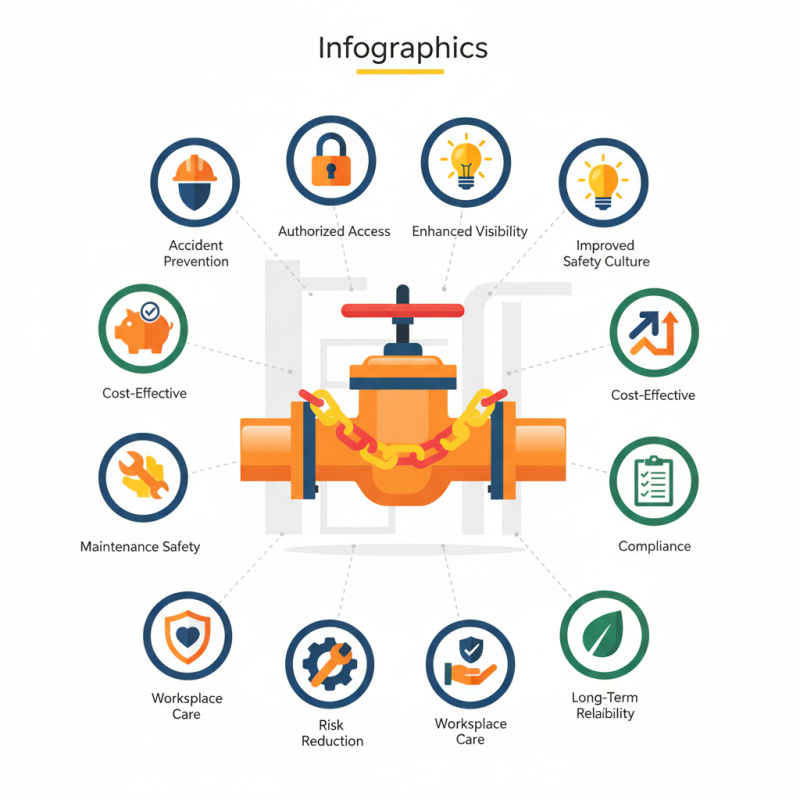
Understanding Valve Lockout Chains and Their Purpose
Valve lockout chains are essential for ensuring safety in environments where hazardous materials are handled. These chains act as a physical barrier, preventing unauthorized operation of valves during maintenance or emergencies. By securing valves, they reduce the risk of accidental releases that can lead to dangerous situations. Understanding how these chains function can enhance workplace safety significantly.
When using valve lockout chains, choose the right size and type for your valves. A snug fit ensures maximum security. Regularly inspect the chains for wear or damage. This helps maintain their integrity and effectiveness in your safety protocols.
Tip: Always combine lockout chains with employee training. Familiarity with the equipment enhances compliance. Visual reminders in the workspace can reinforce safe practices. Maintain a culture of safety awareness to benefit everyone.
Enhanced Worker Safety Through Lockout/Tagout Systems
Lockout/tagout systems are crucial in industrial settings. They protect workers during maintenance. Valve lockout chains play a key role in this safety often overlooked. These chains secure valves, preventing accidental operation. Workers can focus on tasks without fear of unexpected hazards.
Many facilities lack proper lockout procedures. Training is essential to ensure everyone understands how to use these chains. Workers may not always follow protocols under pressure. Implementing clear guidelines on valve lockouts can mitigate risks. Visual aids can help remind staff of necessary steps.
When using valve lockout chains, it’s important to inspect them regularly. Wear and tear can compromise their effectiveness. A chain may look fine but can fail when needed most. Regular audits can identify issues and improve safety measures. Continuous improvement should be the goal in every workplace.
Top 10 Benefits of Using Valve Lockout Chains for Safety
Increased Compliance with Safety Regulations
Safety regulations are crucial in industrial environments. Compliance ensures the protection of workers and the integrity of operations. A recent study by the Occupational Safety and Health Administration (OSHA) indicates that nearly 80% of workplace incidents stem from inadequate safety practices. Implementing valve lockout chains can significantly enhance safety compliance.
Valve lockout chains act as physical barriers, preventing unauthorized access to hazardous systems. These chains are easily visible and help communicate that machinery is off-limits. Their effective use reduces the risk of accidental machine startups during maintenance. According to the National Safety Council, workplaces that adopt comprehensive lockout/tagout procedures experience a 50% reduction in hazardous incidents.
Despite these benefits, many facilities still struggle with compliance. In 2022, over 10,000 OSHA citations were issued for lockout/tagout violations. This highlights a gap between awareness and practice. Regular training and using visible lockout systems are necessary. Businesses must recognize that compliance is not just a regulatory obligation but a commitment to worker safety.
Streamlined Maintenance Procedures Using Lockout Solutions
Lockout solutions enhance safety during maintenance procedures. Using valve lockout chains can streamline processes effectively. These chains visualize critical shutoff locations. They act as reminders for workers. This prevents accidental activation of machinery. Clear indications can lead to fewer mishaps.
When implementing lockout solutions, teams need training. Ensuring every member understands lockout procedures is vital. Sometimes, workers may skip steps under pressure. This can lead to accidents. Regular audits can help identify areas for improvement. Continuous training and dialogue foster a safety culture.
Maintenance routines can also be simplified. With lockout chains in place, tasks become predictable. Workers know what to expect. However, complacency can creep in over time. Periodic reviews of the lockout system can enhance its effectiveness. Addressing challenges and updating strategies is crucial for lasting safety.
Cost-Effectiveness of Investing in Lockout Equipment
Investing in lockout equipment, such as valve lockout chains, is a smart choice for many workplaces. Safety should always come first. Lockout procedures prevent accidents during maintenance tasks. A small investment can save companies from costly injuries. The correct equipment minimizes risks, ensuring that machinery does not accidentally start. This creates a safer working environment for all employees.
The effectiveness of lockout chains extends beyond immediate safety. These chains offer a clear visual reminder of lockout protocols. They help reinforce a culture of safety within organizations. However, some companies might overlook their importance.
There might be a tendency to prioritize cost over safety features. This could lead to severe repercussions. Neglecting proper lockout equipment can result in not only injuries but also financial losses. Companies must weigh these factors carefully.
Ultimately, choosing to invest in reliable lockout equipment is a proactive measure. It reflects a commitment to safety standards. The cost-effectiveness comes from preventing incidents that could lead to lawsuits and downtime. Reflecting on current practices can reveal gaps where improvements are necessary.
Organizations should regularly assess their safety equipment. This reflection can help them align their financial decisions with safety training and compliance efforts.