What is an Air Conditioning Contactor and How Does It Work?
An Air Conditioning Contactor plays a crucial role in climate control systems. This small yet vital component manages the electrical flow that powers your air conditioning unit. As temperatures rise, the need for effective cooling becomes essential. Knowing how the Air Conditioning Contactor operates can help you understand your system better.
The contractor is like a switch. It opens and closes to allow power to the air conditioning unit. When the thermostat signals cooling needs, the contractor engages. It is often overlooked, yet it's fundamental for efficient operation. A malfunctioning contactor can lead to lapses in cooling and unexpected repairs.
Understanding the Air Conditioning Contactor also emphasizes its importance in energy efficiency. Regular maintenance can enhance its reliability. It's beneficial to recognize when your system isn't functioning optimally. Sometimes, small issues can lead to significant concerns. Being aware can save you time and money in the long run.
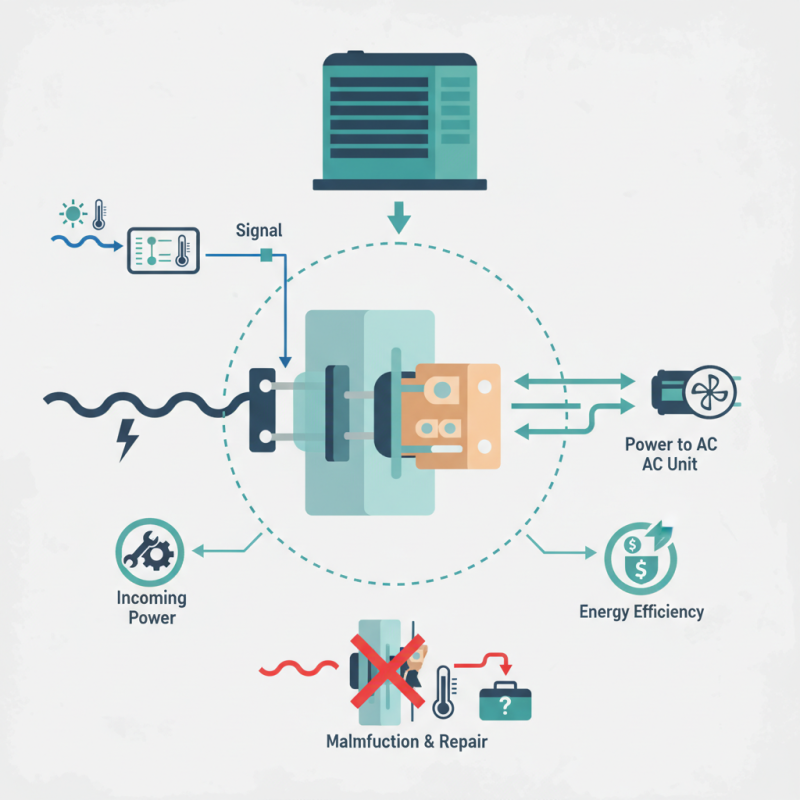
What is an Air Conditioning Contactor?
An air conditioning contactor is a vital component in HVAC systems. It acts as an electrical switch. This device controls the power supply to the compressor and fan motor. By doing this, it regulates the cooling process. According to industry reports, a significant number of HVAC failures occur due to malfunctioning contactors. Understanding its function can prevent costly repairs.
The contactor works by using an electromagnetic coil. When voltage is applied, the coil energizes, closing the switch. This allows electricity to flow to the AC unit. When the thermostat meets the desired temperature, the coil de-energizes, opening the switch and cutting power. Despite its importance, many homeowners neglect this component, leading to system inefficiencies.
Tips: Regularly inspect your contactor for signs of wear. Look for discoloration or pitting on the contacts. Routine maintenance can extend its lifespan and improve energy efficiency. If you hear a humming noise, it could indicate a problem. Don’t ignore it. Addressing issues early can save money and ensure comfort. Remember, a well-functioning contactor is essential for reliable cooling.
Air Conditioning Contactor Operation Overview
Key Components of an Air Conditioning Contactor
An air conditioning contactor is a crucial component in HVAC systems. It plays a vital role in controlling the flow of electricity to the compressor and other parts of the air conditioner. Understanding its key components is essential for both HVAC professionals and homeowners.
At the heart of the contactor is the coil. This coil, when energized, creates a magnetic field. This field pulls the contacts together, allowing electricity to flow. The contacts are usually made of durable metals to withstand frequent operation. They connect and disconnect power to the system. If these contacts burn out or wear, the entire unit may fail. Maintenance is often overlooked, and this can lead to costly repairs.
Another key component is the enclosure. This protects the internal parts from dust and moisture. A damaged enclosure can cause shorts, leading to safety risks. Wiring connections are also vital. Poor connections can result in voltage drops or arcing. These issues often go unnoticed until a system failure occurs. Regular inspections can help address these potential problems before they escalate.
How Air Conditioning Contactors Operate
Air conditioning contactors are crucial components that manage the flow of electricity to your AC unit. When the thermostat signals a need for cooling, the contactor receives this instruction and activates the compressor and fan. Contactors consist of a magnetic coil and contacts. When energized, the coil creates a magnetic field, pulling the contacts together to allow power to flow.
Understanding how contactors operate can enhance your AC maintenance. Regular inspection of the contactor can prevent issues. If you notice increased noise or uneven cooling, the contactor may need attention. Dust and debris can accumulate, hindering its performance. It's wise to clean the contactor periodically to ensure smooth operation.
Tips: Always turn off the power before inspecting the contactor. Look for signs of wear or burning. This can indicate a failing component. If you're unsure about any signs, consulting a professional can save you from larger problems later. Contactors are affordable but vital for your system’s efficiency. Proper care extends their lifespan.
Common Issues with Air Conditioning Contactors
Air conditioning contactors play a crucial role in HVAC systems. They act as electrical switches that control the compressor and condenser fan. Despite their importance, these components can face various issues. One common problem is contact failure. Over time, the contacts may become worn or corroded, leading to unreliable function. This can result in the air conditioner failing to start or stop properly, causing discomfort.
Another frequent issue is overheating. When a contactor works harder than it should, it may generate excess heat. This can occur due to a blocked air filter or dirty condenser coils. Overheating not only affects the contactor but can also damage other parts of the AC system. If you notice buzzing noises or an unusual smell, it could indicate contactor trouble.
Lastly, electrical faults can lead to contactor malfunctions. Loose connections or short circuits can disrupt power flow. Performing regular maintenance is vital. Checking wiring and cleaning components can prevent these issues. By doing so, homeowners can help extend the lifespan of their heating and cooling systems.
What is an Air Conditioning Contactor and How Does It Work? - Common Issues with Air Conditioning Contactors
| Dimension | Details |
| Definition | An electrical switch that controls the power to the air conditioning unit. |
| Function | Works by closing or opening the circuit that provides power to the compressor and fan. |
| Common Issues | 1. Contacts welding together
2. Burnt terminals
3. No power reaching the AC unit |
| Signs of Failure | Inconsistent cooling, strange noises from the unit, or unit not turning on. |
| Maintenance Tips | Regular inspection, cleaning contacts, ensuring proper wiring. |
| Replacement | Should be done by a professional when issues are identified. |
Maintenance Tips for Air Conditioning Contactors
Regular maintenance of air conditioning contractors is crucial for optimal performance. These components are responsible for initiating the cooling cycle, making their role significant in HVAC systems. According to a report from the U.S. Department of Energy, poorly maintained contactors can lead to energy losses of up to 30%.
Examining the contactor regularly is vital. Look for signs of wear, such as corrosion or pitting on contacts. Cleaning connections can help reduce resistance and improve efficiency. Routine inspections should be part of annual maintenance, as studies show that 45% of HVAC system failures are linked to electrical component issues, including contactors.
Consider also the overall environment of the contactor. High temperatures and humidity can affect performance. If the system operates in such conditions, a more frequent assessment may be necessary. Even small inconsistencies in their operation can lead to larger problems later. Remember, staying proactive in maintenance can save time and money, enhancing lifespan and reliability.